Prepare for a stunning lawn that requires less mowing time than you’re accustomed to. With some straightforward landscaping tweaks, you can significantly simplify the mowing process. Whether you’re operating a riding mower or pushing a manual one across your grass, the following tips will not only make mowing more effortless but also more enjoyable. Plus, removing obstacles and smoothing out rough edges will likely result in a better cut for your lawn.
Avoid the hassle of navigating around low-hanging tree branches by pruning them selectively. By removing the lowest limbs, you can easily mow around the tree trunk without constant dodging.
Winter is an ideal season for tree pruning since the absence of leaves makes it easier to evaluate the tree’s structure. Trim back the low-hanging branches of smaller trees like crabapples, redbuds, and crape myrtles to their main stems or trunks. For larger shade trees, cut back limbs that are in the way to a main branch. Ensure you make a clean cut and avoid using wound dressings, as trees will quickly seal the cuts on their own.
Uneven spots and divots can create an uncomfortable mowing experience and result in a lumpy lawn. Level out these areas by filling in the turf’s holes and low points.
The best time for such lawn renovations is during spring or fall. Use high-quality topsoil to fill in the low areas, tamp it down, and then scatter grass seed over it. Gently rake the seed into the soil and water it regularly until the grass has taken root.
Mowing in tight circles around tree trunks can be time-consuming. By increasing the size of these circles, you can reduce mowing time. Use a sharp spade to clear out the grass within a 6- to 8-foot diameter around the trunk, being cautious not to damage any deeper tree roots.
After clearing the area, cover it with a 2-inch layer of mulch, such as shredded bark, leaf mold, compost, or pine straw. Ensure the mulch doesn’t touch the tree trunk to prevent the risk of disease.
Planting shade-tolerant groundcovers in these grass-free zones is also beneficial. These areas under the tree canopy are often dry, so opt for drought-resistant groundcovers like deadnettle, barrenwort, lungwort, or the native Allegheny spurge.
Sharp corners in the landscape are not only difficult to mow but also require the use of a string trimmer for a clean finish. Replace these corners with gentle curves for easier mowing.
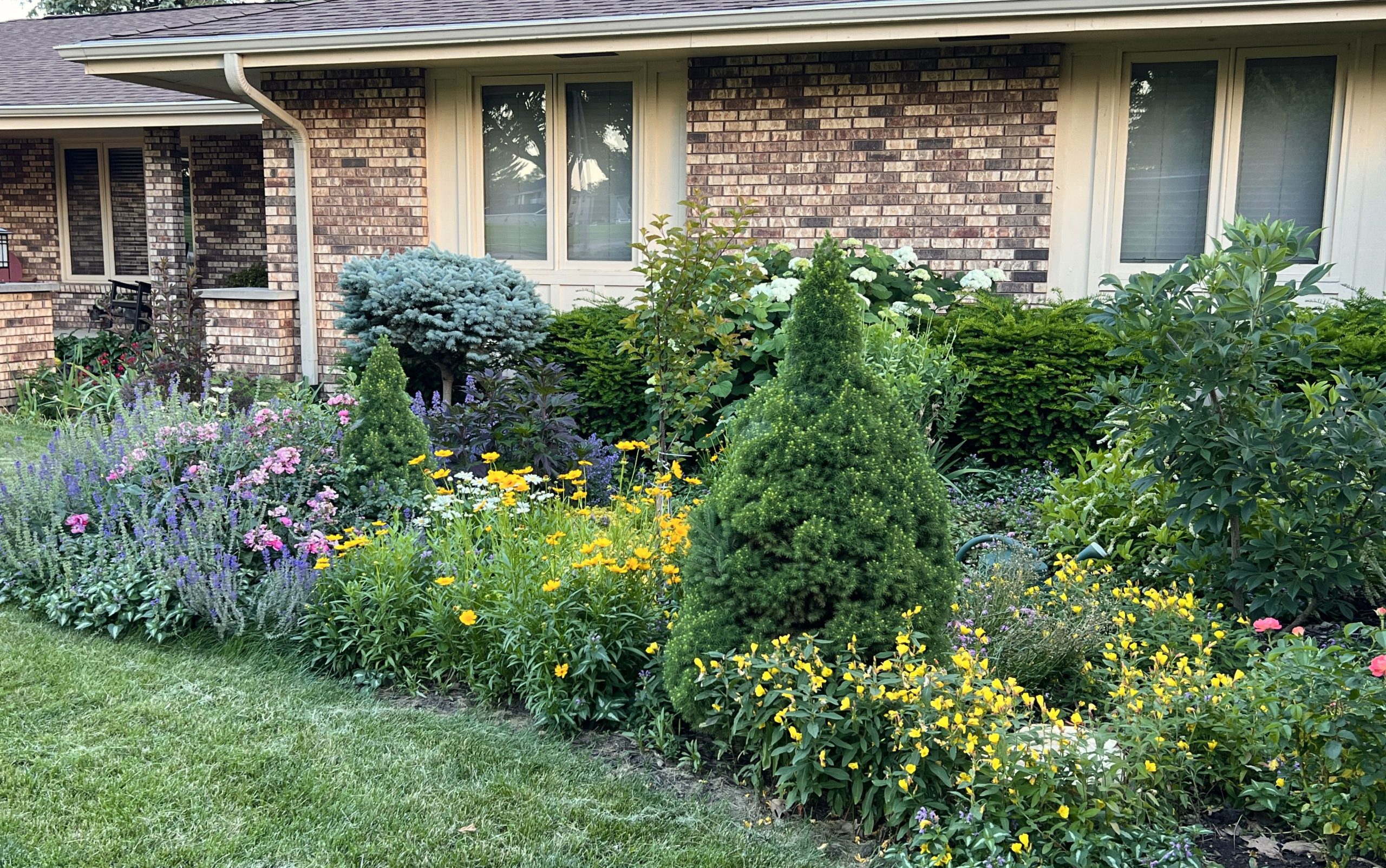
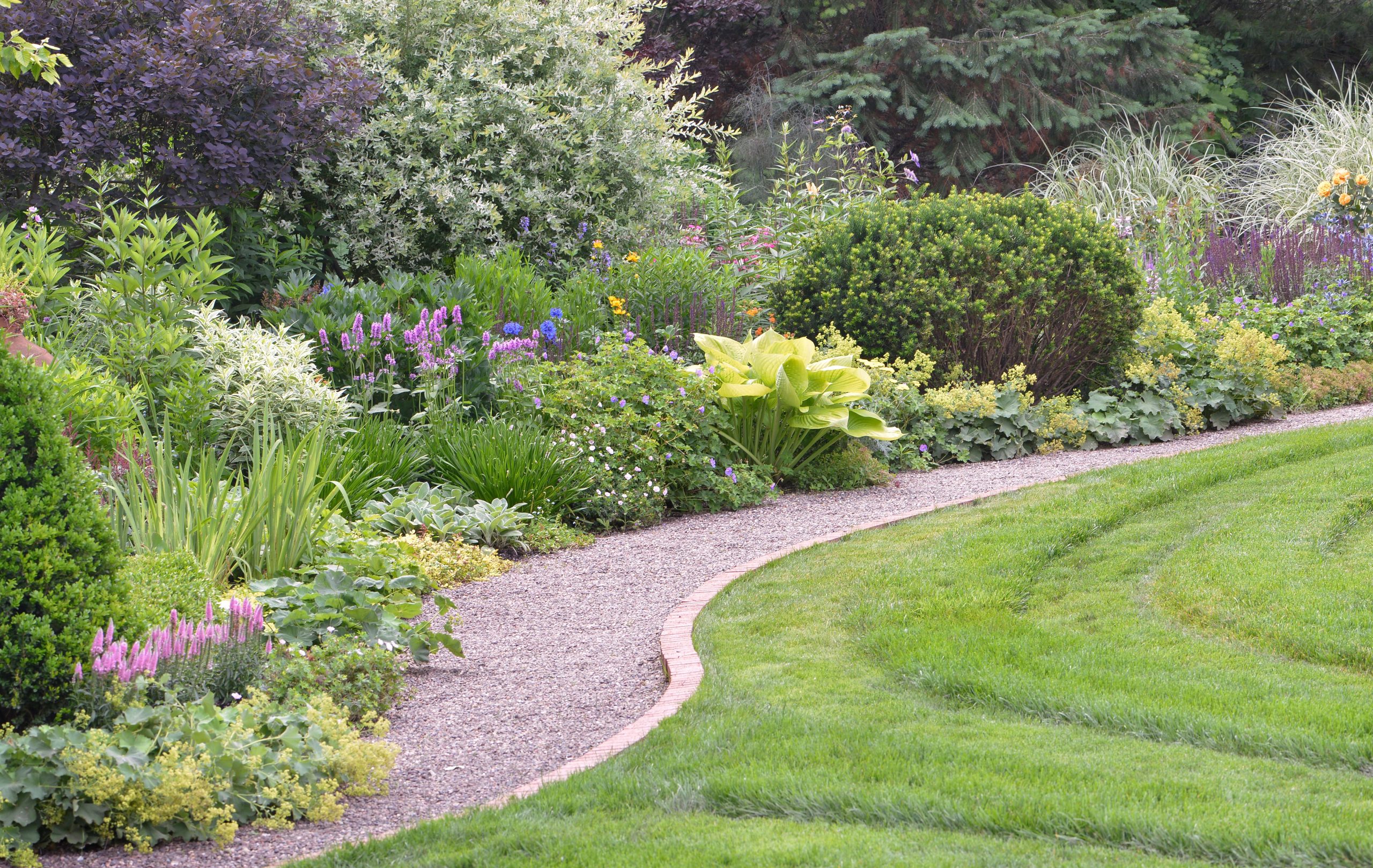
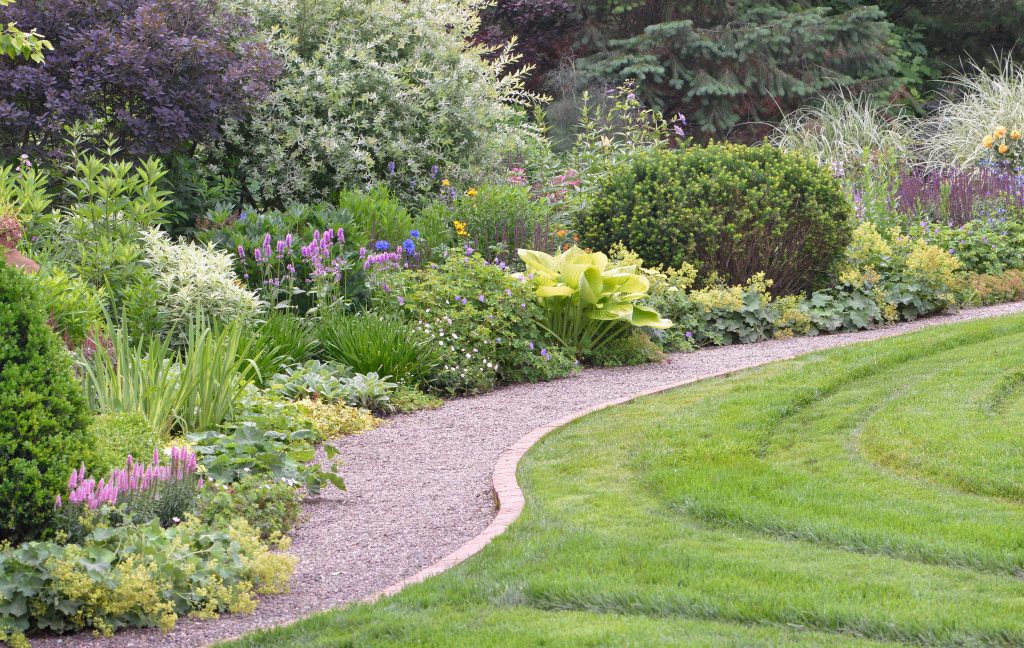
Widen the edge of the landscape beds slightly to create a smooth curve that your mower can navigate effortlessly. Curved bed edges not only facilitate mowing but also safeguard the plants within by preventing the mower from creeping into the beds during turns.
Installing mowing strips around the perimeter of landscape beds, typically made from brick, concrete, or stone pavers, helps define the edges and keeps grass in check. These strips also provide a flat surface for the mower to glide over. When setting them, make sure they are level for smooth mower access.
For difficult-to-mow areas such as steep slopes, consider using groundcovers instead of turf. These require less frequent maintenance and offer erosion control while enriching the landscape. There are numerous perennial and low-growing shrub groundcovers to choose from, including short ornamental grasses that provide dense coverage and suppress weeds. Native species like little bluestem can add additional ecosystem benefits.
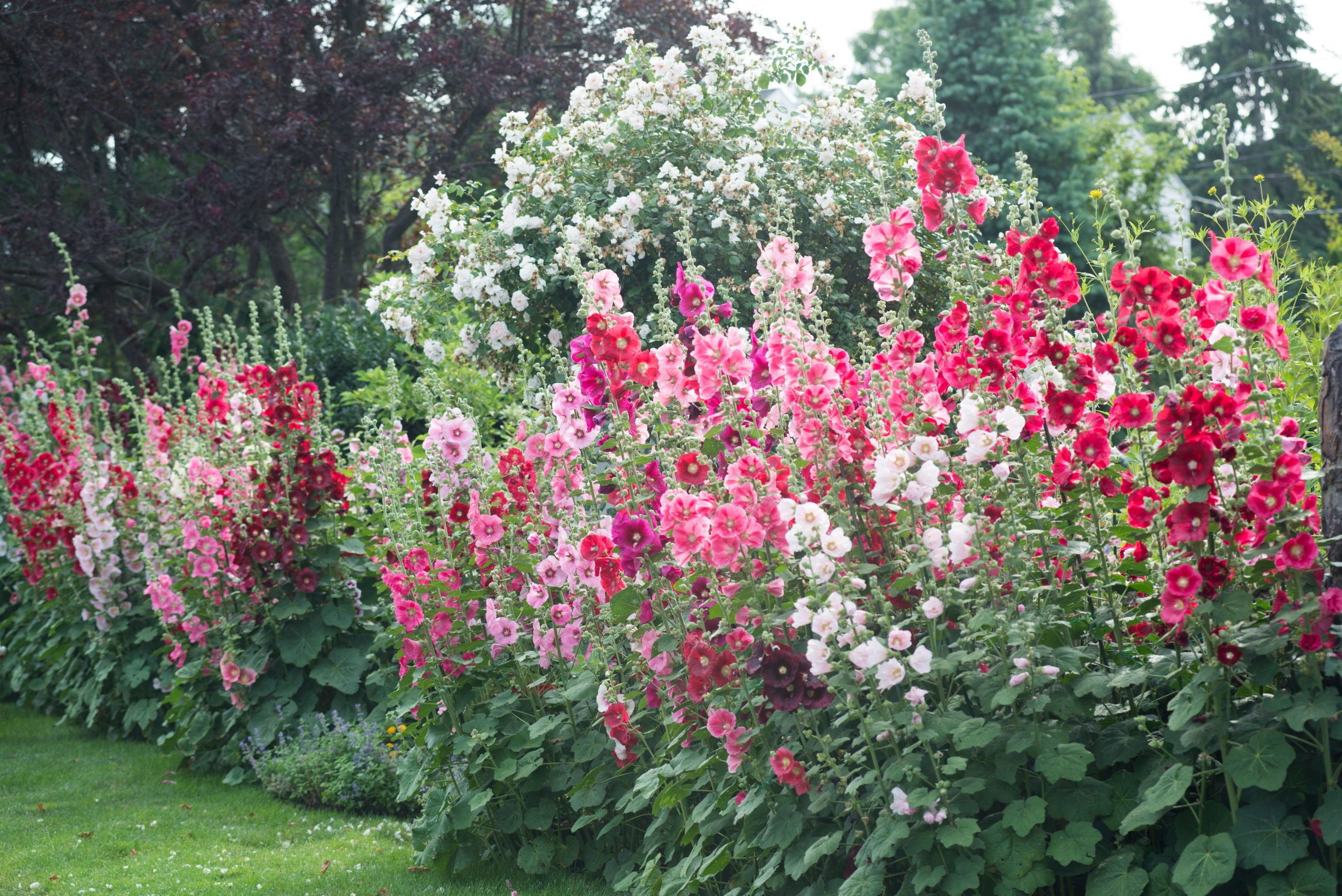
To streamline the mowing process, aim for an unobstructed stretch of turf. Individual plants scattered throughout the landscape can act as mowing obstacles. Incorporate these plants into planting beds with curving outlines. Adopt a design approach that emphasizes grouping plants in drifts or mass plantings, which not only simplifies mowing but also gives your landscape a more harmonious look.
If you’re considering an alternative to a traditional lawn, think about planting a bee lawn that requires minimal mowing.