If you frequently find yourself tossing and turning at night, you’ve likely experimented with various tactics, such as meditation or keeping a journal. However, your culinary choices also significantly impact the quality of your slumber. While you might worry that a late-night snack could lead to bloating, indigestion, or acid reflux, the good news is that a modest portion of fruit can actually be a wise option, as numerous fruits are rich in nutrients that aid in sleeping. Here are eight fruits to consider incorporating into your diet to enhance your sleep.
Registered Dietitian Jennifer Pallian, also a food scientist and founder of Foodess, and Robin Barrie Kaiden, MS, RD, CDN, a registered dietitian specializing in skin health, weigh in on the topic.

The fresh kiwi fruit, high in both melatonin and serotonin, is known to promote sleep. A study even suggests that consuming two medium-sized green kiwis an hour before bedtime is quite effective.
Serotonin, a precursor to melatonin, aids in relaxation, mood regulation, thermoregulation, and the sleep-wake cycle. “In the body, serotonin fosters a sense of tranquility and emotional well-being, which readies the mind for sleep,” explains Pallian. “It also governs physiological rhythms, such as body temperature and motor control, which affect how rested we feel.”
Melatonin is vital for adjusting and synchronizing the body’s internal clock. “This synchronization is essential for a speedier transition to sleep and for staying asleep throughout the night,” Pallian clarifies. She adds that kiwis are also rich in vitamin C, folate, and other B vitamins. Low folate levels have been linked to a greater risk of insomnia since folate is involved in the production and regulation of neurotransmitters like serotonin.
Pineapple is brimming with melatonin, serotonin, and tryptophan, compounds that help regulate sleep, body temperature, and circadian rhythms. Tryptophan, in particular, is key for sleep promotion, as it is the sole precursor to serotonin, which then leads to the production of melatonin. A study revealed that juice from a kilogram of pineapple significantly elevated serum melatonin and antioxidant levels. “Though the study used juice, fresh pineapple is likely just as effective, containing similar compounds,” Pallian notes. She also highlights that the antioxidants in pineapple can reduce oxidative stress, potentially enhancing restful sleep.
Kaiden suggests specifically opting for Montmorency cherries, which are particularly high in melatonin and stand out for their sleep-promoting properties. These sour cherries also contain tryptophan and anthocyanins, a powerful antioxidant that shields your cells from damage caused by stress, pollution, and unhealthy diets high in fat and sugar. “Their anti-inflammatory properties can relax muscles, leading to a calmer body and improved sleep,” Kaiden says. She adds that anthocyanins may help lower blood pressure, a significant factor in helping the body wind down. She recommends drinking eight to 12 ounces of tart cherry juice or one to two ounces of concentrate for optimal results.
“The sleep-promoting effects of avocado can be partly attributed to its magnesium content,” Pallian states. Magnesium not only aids in melatonin production but also helps regulate brain chemicals like GABA, which encourages relaxation and soothes the nervous system—both crucial for falling and staying asleep. A study indicates that consuming one whole avocado is the ideal amount for sleep support.
These fruits are also packed with fiber, with just one fruit providing nearly 50% of your daily recommended intake. “This is significant because emerging evidence suggests that individuals with poor dietary habits and chronic digestive issues often experience less sleep and lower sleep efficiency,” Pallian says, proposing that increasing your fiber intake through whole foods like avocado could help alleviate some gut-related issues that may affect your sleep.
Bananas, rich in both melatonin and tryptophan, possess genuine sleep-promoting capabilities. A study suggests that eating two whole bananas can help improve sleep quality. Moreover, “The antioxidants in bananas also reduce oxidative stress, which may further contribute to peaceful sleep,” Pallian says, referring to their role in reducing inflammation and supporting brain health, making it easier for your body to relax and achieve deeper, more restorative sleep.
Grapes, naturally containing melatonin and a robust dose of antioxidants, help reduce stress and inflammation—factors that can disrupt both health and sleep. “Additionally, they have a high water content for hydration and abundant fiber, which can enhance digestive comfort,” Kaiden says. For the most melatonin, opt for red or purple grapes, which generally contain higher levels of the sleep-promoting hormone than green grapes. Kaiden suggests sticking to one cup of fresh grapes as an ideal bedtime snack.
Strawberries, with their small amount of melatonin and high concentration of antioxidants, especially vitamin C, are an excellent choice for enhancing rest. “Vitamin C also supports immune health and digestion, helping to fend off illness and improve gut health,” Kaiden says. “When you feel better, you sleep better.”
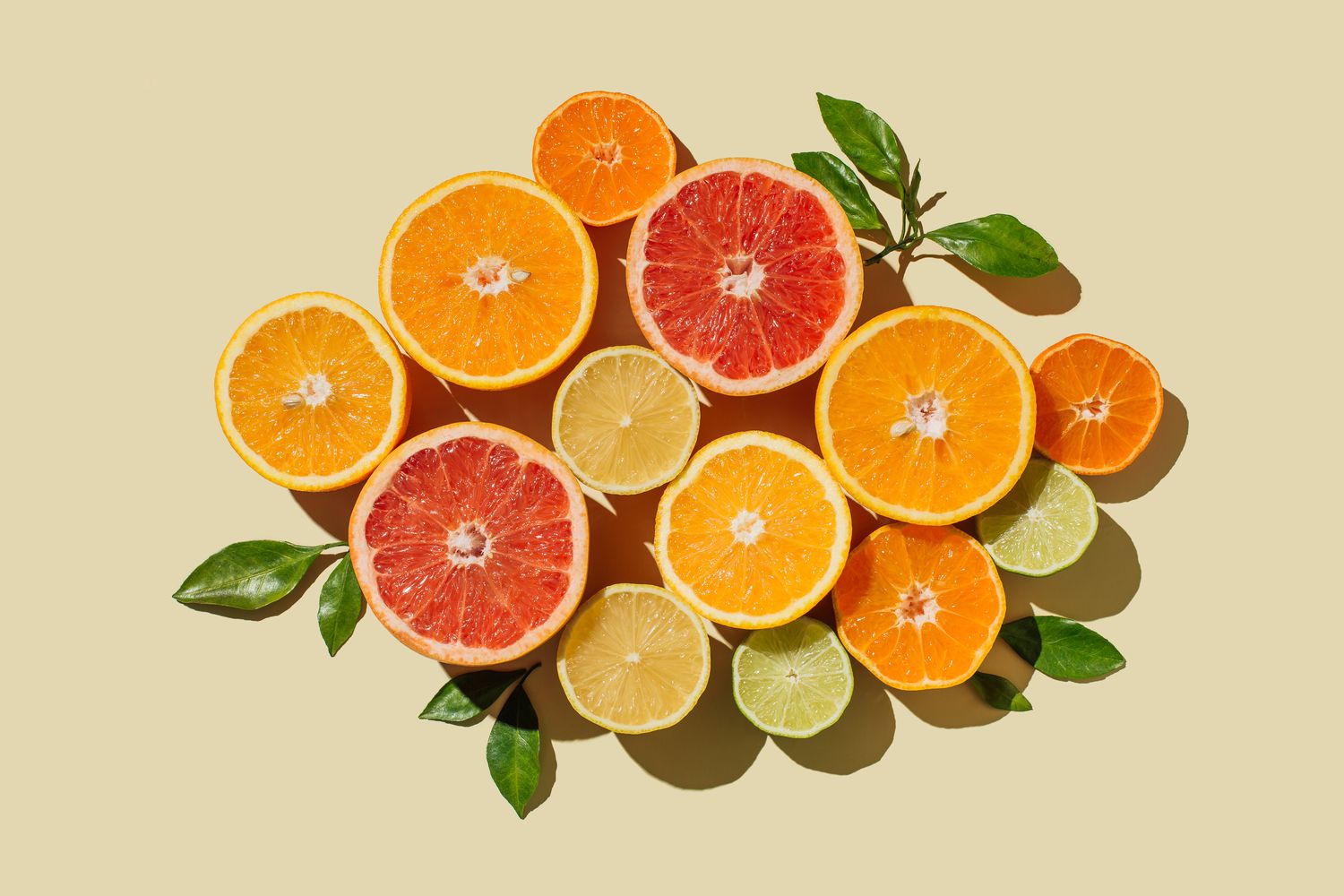
Don’t discount oranges for bedtime, even though they’re a common breakfast choice. Their high vitamin C content can improve sleep by reducing stress hormones like cortisol, making it easier for your body to relax and fall asleep. They’re also packed with vitamin B6, which plays a critical role in converting tryptophan to serotonin and eventually to melatonin. Kaiden suggests a serving size of one medium orange. “Eating whole fruits provides the added benefits of fiber, water, and additional vitamins and minerals, which are essential for overall health and digestion,” she says.
Kaiden also advises against eating right before bed. “Allowing your body at least three hours to digest food before sleep is better for digestion, which means you’ll also feel less bloated and uncomfortable before bed,” she says. While incorporating whole fruits into your diet can improve sleep, true relaxation comes from a combination of healthy habits, including daily exercise, a consistent sleep schedule, and a calming bedtime routine, all of which work together to help you fall asleep faster and wake up feeling rejuvenated.