Ultrasonic cleaners excel at thoroughly cleaning complex objects. These handy devices are a must-have for cleaning items that you might struggle with otherwise. However, not every object is suitable for ultrasonic cleaning, so it’s crucial to research first.
You might be surprised to learn about this useful cleaning gadget. It cleans items using high-frequency sound waves that generate tiny bubbles. These bubbles burst, releasing dirt and oils from various items that are typically challenging and irritating to clean. The process is as easy as placing your items in the solution and turning on the machine; no need for scrubbing. (The same device jewelers use for ring cleaning is an ultrasonic cleaner.)
Cleaning expert Scott Schrader from CottageCare points out that newer home models are less expensive and less powerful than professional ones, but they use the same technology. “For household cleaning, they provide precise cleaning solutions. They aren’t designed for large messes, but they excel at dealing with intricate ones.”
If you enjoy polishing your cherished belongings or tackling stubborn grime without harsh scrubbing, this tool is a must-have. With so many innovative ways to use it, you might find yourself using it more than you anticipate.
You can use hot water and a small amount of dish soap in an ultrasonic cleaner, but many prefer a specialized cleaning solution for optimal results. If you opt for dish soap, use distilled water, and always follow the manufacturer’s instructions.
Rhonda Wilson, head cleaner at FreshSpace Cleaning, has an ultrasonic cleaner in her home. She mentions that while she loves her accessories, cleaning them is a hassle. “With an ultrasonic cleaner, I just turn it on and move on. I can multitask while it soaks,” she explains. “The sound waves penetrate deeper than a toothbrush.” After the cleaning, she rinses the items and dries them with a microfiber cloth.
Read on to uncover our list of nine items that you might not have thought could be cleaned with an ultrasonic machine. This adaptable tool can tackle more than you might imagine.
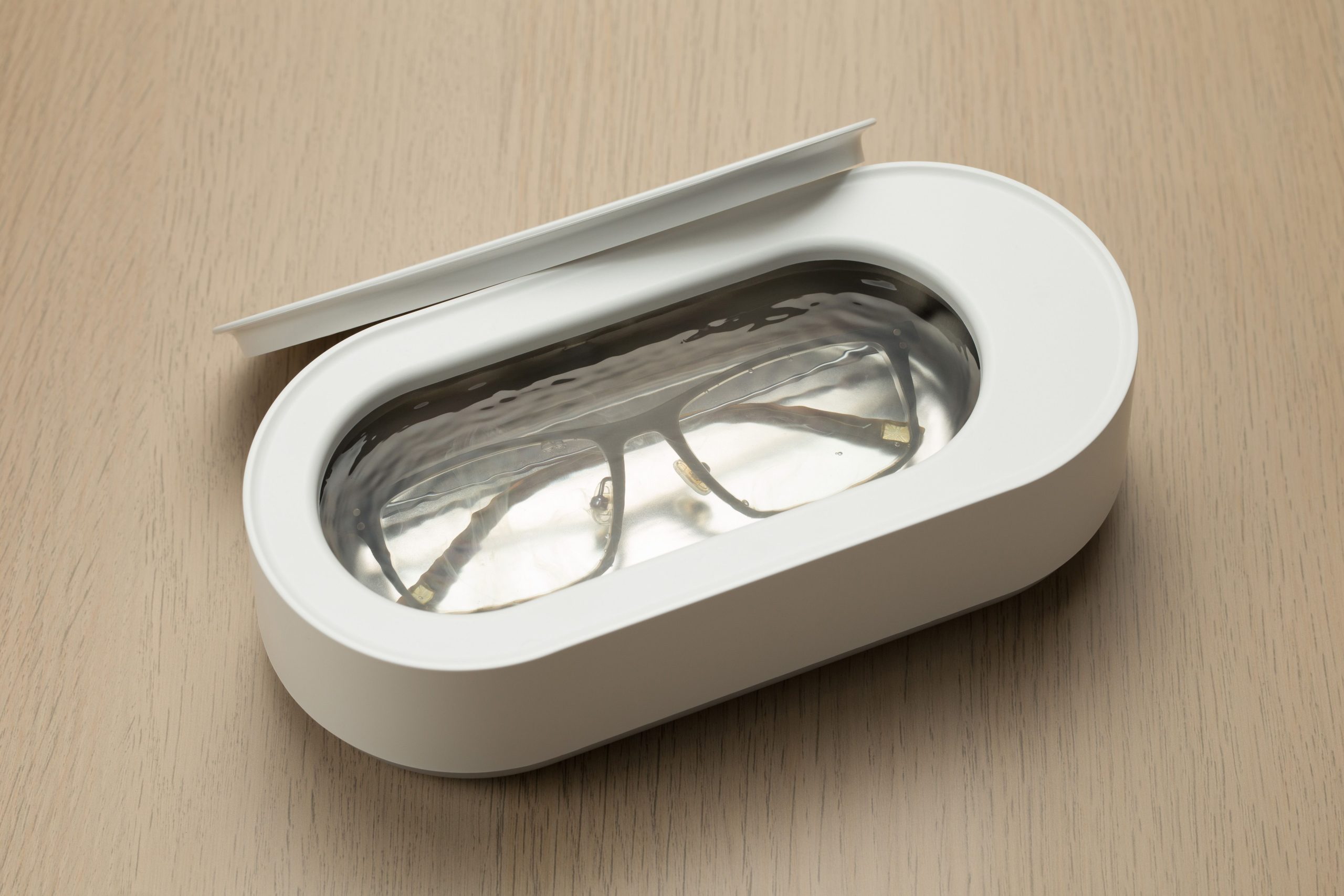
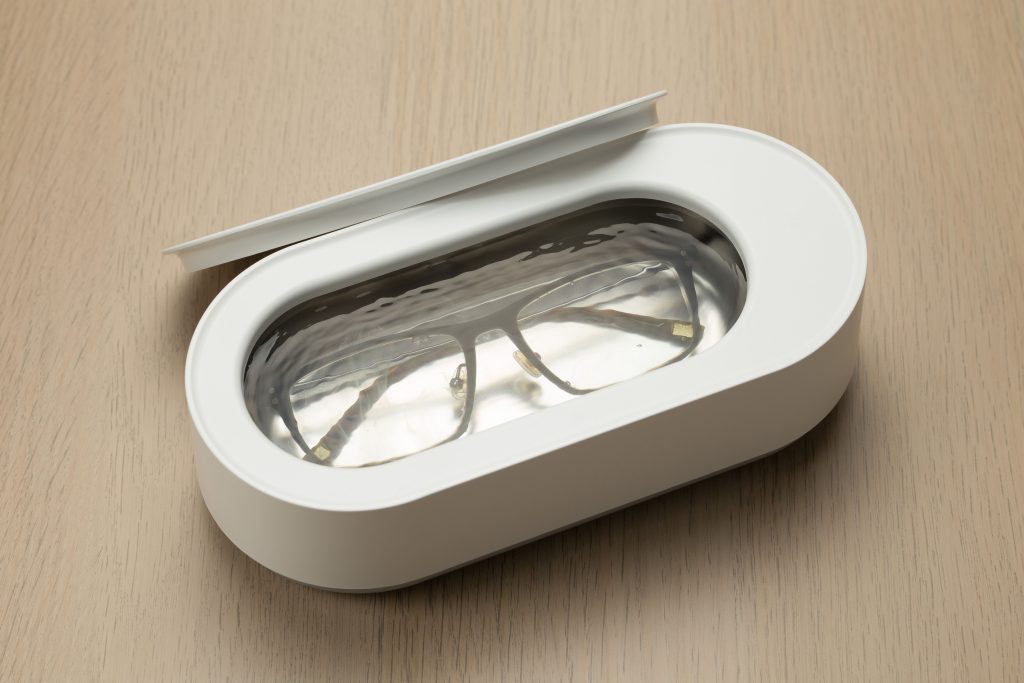
Say goodbye to the microfiber cloth and lens spray. An ultrasonic cleaner gently wipes away smudges, oil, and makeup from your lenses, including around the nose pads and hinges, without damaging them. Simply place your glasses in the bath and press the “on” button.
Not all bristles can withstand the vibration, but silicone tools, brush holders, and tweezers will look like new after a cycle. Be sure to rinse and dry them thoroughly.
Extend the life of your reusable razors by cleaning the blades and housing, which not only keeps them cleaner but may also prolong their use.
Your keyring may not seem like it, but an ultrasonic bath can remove the grime accumulated from everyday use, especially from textured or engraved metal.
Retainers, dental trays, and toothbrushes are breeding grounds for germs. A quick cleaning cycle can eliminate bacteria, plaque, and tough residue. However, avoid using hot water or harsh cleaners on these items.
Collectors value ultrasonic cleaners for rejuvenating antiques, coins, pins, and other small keepsakes. Conduct a test before cleaning to ensure the vibrations don’t harm the finish.
Metal and silicone watch bands benefit from a quick refresh with the help of an ultrasonic cleaner, particularly in tight joints and links where dirt can hide. Remove the watch face first if it’s not waterproof and avoid cleaning leather bands in an ultrasonic cleaner.
Cleaning items like screws, drill bits, and sewing machine parts can be tricky, but an ultrasonic cleaner can make short work of them. Mechanics often use these cleaners in their shops to clean parts, and it’s also an effective way to clean items like bike chains.
Narrow-necked or intricately shaped vases can be difficult to clean by hand. Let the ultrasonic waves do the job by submerging them.
Not everything is compatible with an ultrasonic cleaner. Avoid using it on porous materials like pearls or opals, wood, leather, or items with glued surfaces or moving parts. Never immerse electronics. Always refer to the item’s care instructions before cleaning.