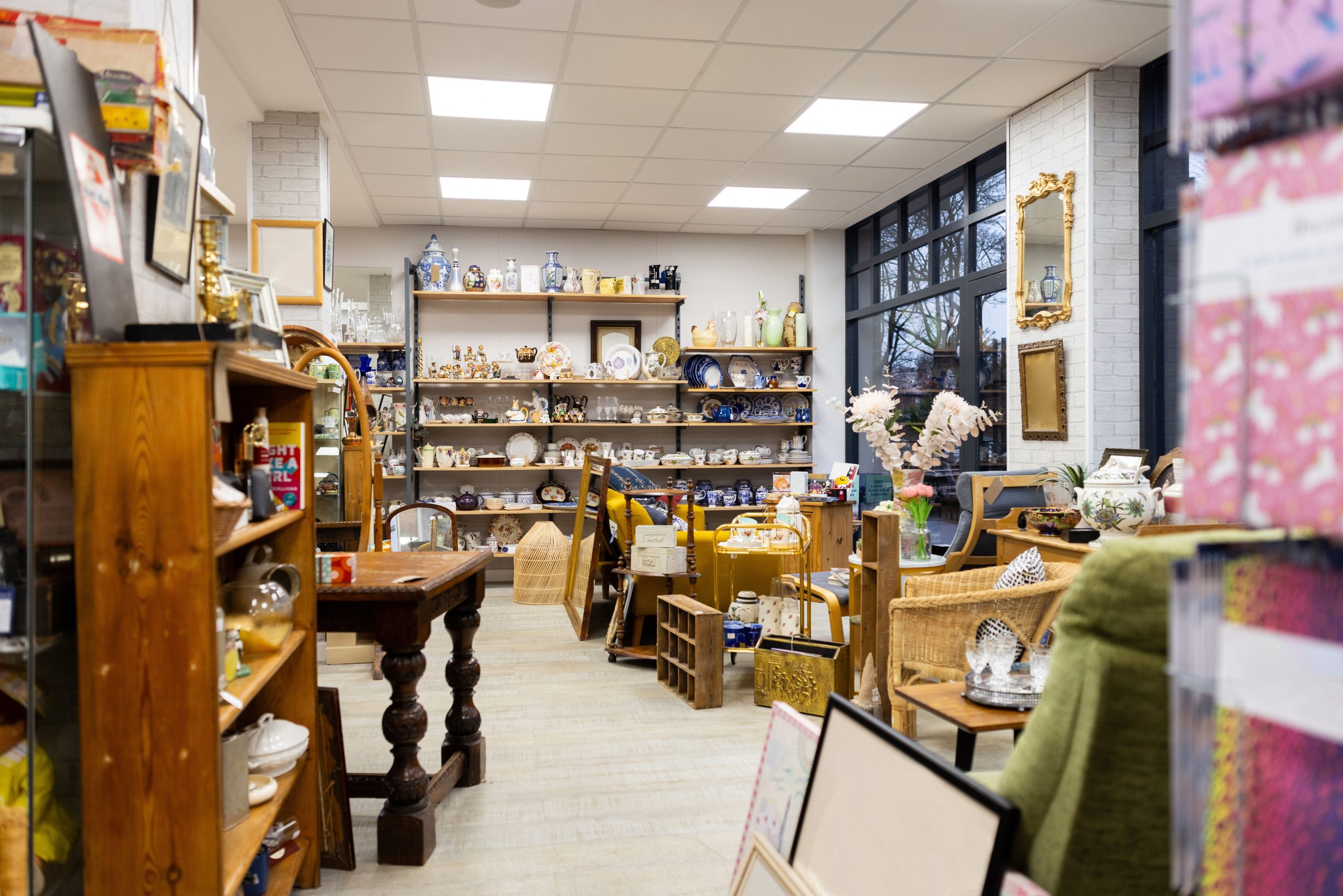
Refreshing your living space might not be inherently inspiring, yet the act of supporting non-profits, minimizing waste in landfills, and providing affordable essentials to others through second-hand stores can be a powerful motivator. However, not every item you wish to discard is suitable for a thrift store. Certain contributions may fail to meet necessary health, safety, or functionality criteria, potentially becoming a burden on the store rather than a help to others.
Ensure your contributions are genuinely beneficial by becoming informed about what not to donate, identifying alternative destinations for such items, and avoiding common pitfalls in donating to thrift stores.
Expensive appliances like refrigerators, stoves, washing machines, and dryers can be invaluable to another household, but their large size often makes them impractical for thrift stores to accommodate for extended periods. Due to limited space or the lack of proper equipment to test or store these safely, the process of transporting and delivering them can be both costly and difficult.
Consider checking if your local municipality offers a service for picking up large items or recycling appliances. If the item is in working condition, you might also give it away within community networks or sell it to a local business specializing in appliance refurbishment. Additionally, you could trade it in for an upgrade at a local hardware store.
It’s easy to overlook the fact that certain products are removed from the market due to defects. If you’ve missed the opportunity for a recall or prefer not to deal with the inconvenience of return shipping, think twice before donating such items to a thrift store, as this could potentially be hazardous.
Items that have been recalled, from overheating appliances to toys posing a choking risk to children, should never find their way onto secondhand store shelves. To determine if your item has been recalled, check the CPSC.gov website or the manufacturer’s site. If it is listed, dispose of it properly according to local regulations or inquire if the manufacturer has a return or recycling initiative.
While an unopened bottle of perfume is a delightful find, a partially used shampoo bottle is less so. Used personal care items such as lotions and bath products should not be donated due to health and hygiene concerns. Instead, look for community programs that collect unused, sealed, and unexpired hygiene products for shelters or mutual aid groups.
Medications should be brought to a pharmacy with a drug take-back program or disposed of at an authorized local medical facility.
Although clothing donations are the staple of thrift stores, used underwear and swimwear are typically not accepted due to hygiene considerations. The same goes for boys’ and men’s board shorts or swim trunks.
For clean and gently worn swimwear, consider swapping with friends or passing them down within the family, where the origins are trusted and the items more likely to be utilized. Otherwise, thoroughly clean them for use as cleaning rags or explore textile recycling options in your area.
Obsolete gadgets are usually not suitable for donation. Old printers, smartphones with cracked screens, and non-functional TVs often wind up in the thrift store’s dumpster. Obsolete cords, VHS tapes, floppy disks, CD-ROMs, and chargers for outdated devices tend to accumulate in the back rooms of thrift stores and rarely sell due to pricing challenges.
Instead, recycle these cords and small electronics through local e-waste programs. Vintage media might interest collectors; try selling these online on platforms like eBay or local marketplaces before throwing them away. Functional but outdated items, such as DVD players or VHS decks, can be offered in local Buy Nothing or Freecycling groups.
Hazardous materials like extra paint, motor oil, and cleaning supplies should never be donated due to potential leaks that could endanger staff and customers. These items require special handling and storage, which thrift stores may not be equipped to provide. Take such items to a local hazardous waste disposal facility, where many towns offer safe disposal services or designated drop-off days.
Items like car seats and cribs, while expensive and useful, are generally not accepted by thrift stores. Car seats have expiration dates, and crib safety standards are frequently updated. Thrift stores often lack the means to verify the safety history of these items and prefer to avoid the associated risks.
When looking to donate such items, consider local parenting groups or shelters that might welcome newer, non-recalled models. Include the manual and refrain from donating items that have been in accidents or are subject to safety recalls.
Clothing or furniture with mildew odors, visible stains, or stored in environments infested with rodents or insects should be discarded rather than donated. Items from spaces with bedbugs, termites, or other pests should never be passed on.
Consider these items beyond redemption and dispose of them properly. A useful guideline is to never donate anything you wouldn’t consider giving to a friend or using yourself.
Mattresses are a common source of confusion for thrift shops, as most will not accept them due to concerns over bedbugs, allergens, and hygiene. Some states also have regulations against their resale. If your mattress is in good condition, consider offering it to local shelters or via online community groups. Otherwise, look into your city’s options for bulk disposal or mattress recycling.
An individual video game disc or cartridge for an outdated console may seem innocuous, but thrift stores often find it difficult to sell incomplete or outdated systems. Without the original console, compatible cables, or controllers, these items are hard to sell.
When getting rid of gaming equipment, bundle them together and check with online resale or collector communities. Working games and consoles, especially retro ones, might have special value, while non-functional or incomplete items are better suited for e-waste facilities.
Even if non-perishable and sealed, food is typically not accepted by thrift stores since they lack licensing to manage food products and cannot ensure proper storage or distribution. Instead, donate unexpired shelf-stable items to food pantries, mutual aid fridges, or food banks. Local shelters may also accept fresh and canned foods, particularly around the holidays.
Electronics designed for 220V power, such as those brought back from overseas, are often donated under the assumption that someone can use them. However, they are usually incompatible with the standard 110V outlets in the U.S., and using them without a converter can lead to damage or fire risks.
Instead of donating, sell or give these items within expat communities, international student networks, or online marketplaces where individuals from compatible regions might need them. If not, recycle them as e-waste.