The bathroom often serves as the epitome of hygiene in many households. However, if your hand towels and toothbrushes are past their prime and teeming with germs, the overall cleanliness of your home can seem compromised. We understand—it’s easy to lose track of how long you’ve had that trusty plunger or to assume that routine cleaning is sufficient for maintaining bathroom items. Nevertheless, considering the steamy conditions in bathrooms and the frequent use these items endure, it’s wise to swap them out more frequently than you might realize. Continue reading to discover when to replace common bathroom essentials and how to do so with minimal waste.
Hand towels may theoretically last up to two years, but many tend to push their use beyond that. Given that hand towels are frequently used by several individuals throughout the day in most families, it’s evident why swapping them out at least biennially is a good practice. Persistent odors or obvious signs of wear are further indicators that it’s high time to get new ones.

To minimize waste: Repurpose your old hand towels as cleaning rags, sewing project testers, or as stuffing for craft endeavors like pillows.
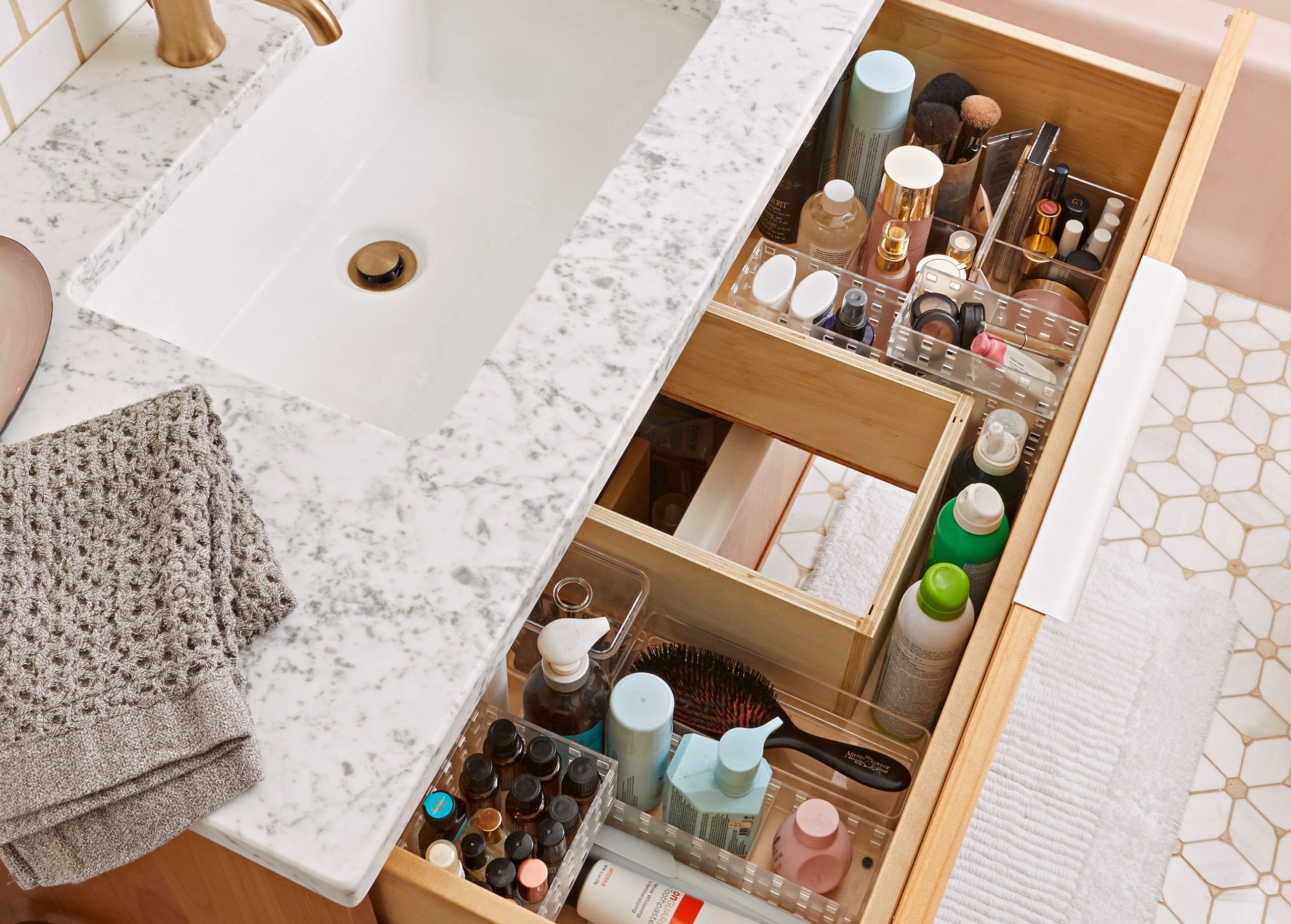
We’ve all purchased skincare products, tested them, and either used them up or left them to gather dust on the shelf. If a year has passed or more, take a moment to check for the Period After Opening (POA) symbol on your skincare products, which indicates their usable lifespan once opened. In the absence of a POA symbol, or uncertainty about when you first opened the product, it’s safer to discard skincare items that have sat unused. Chemical-based or medicated formulas can degrade over time, especially when exposed to light or temperature fluctuations, leading to reduced efficacy.
To reduce waste: If you’ve given a product a fair shot for a couple of weeks with no results, offer it to family or friends. For hygienic purposes when trying out products, use a cotton pad during initial testing.
Ensure you swap out your plunger once a year, or immediately if you notice any cracks. Annual plunger replacement not only supports hygiene but also guarantees its functionality when you require it most. Over time, exposure to varying temperatures and chemicals can cause a plunger’s rubber end to dry out and crack, making it ineffective.
To avoid waste: While plunger heads are non-recyclable, you can recycle the handle if it’s made of plastic or compost it if it’s wooden.
Loofahs and shower brushes are notorious for being difficult to sanitize and prone to bacterial growth. To curtail bacterial proliferation, it’s advisable to replace these items every one to three months. You can extend the life of your in-shower scrubber by removing it from the shower after each use and ensuring it dries thoroughly. Cleaning brushes with hot, soapy water and allowing them to dry completely can also help.
To reduce waste: Consider switching to entirely biodegradable shower brushes. Unlike plastic loofahs or scrubbing nets, wooden shower brushes are compostable.
As per the American Dental Association’s recommendations, it’s best to swap out your toothbrush every three to four months. Old toothbrushes quickly become breeding grounds for bacteria and become less effective with use. While a three to four month replacement schedule is optimal, it’s more frequent than most people visit the dentist. Don’t rely on dental appointments as your reminder to switch brushes; instead, calendar the event or set a phone reminder.
To minimize waste: Choose biodegradable toothbrushes that can be composted post-use, or reuse old toothbrushes for household cleaning tasks.