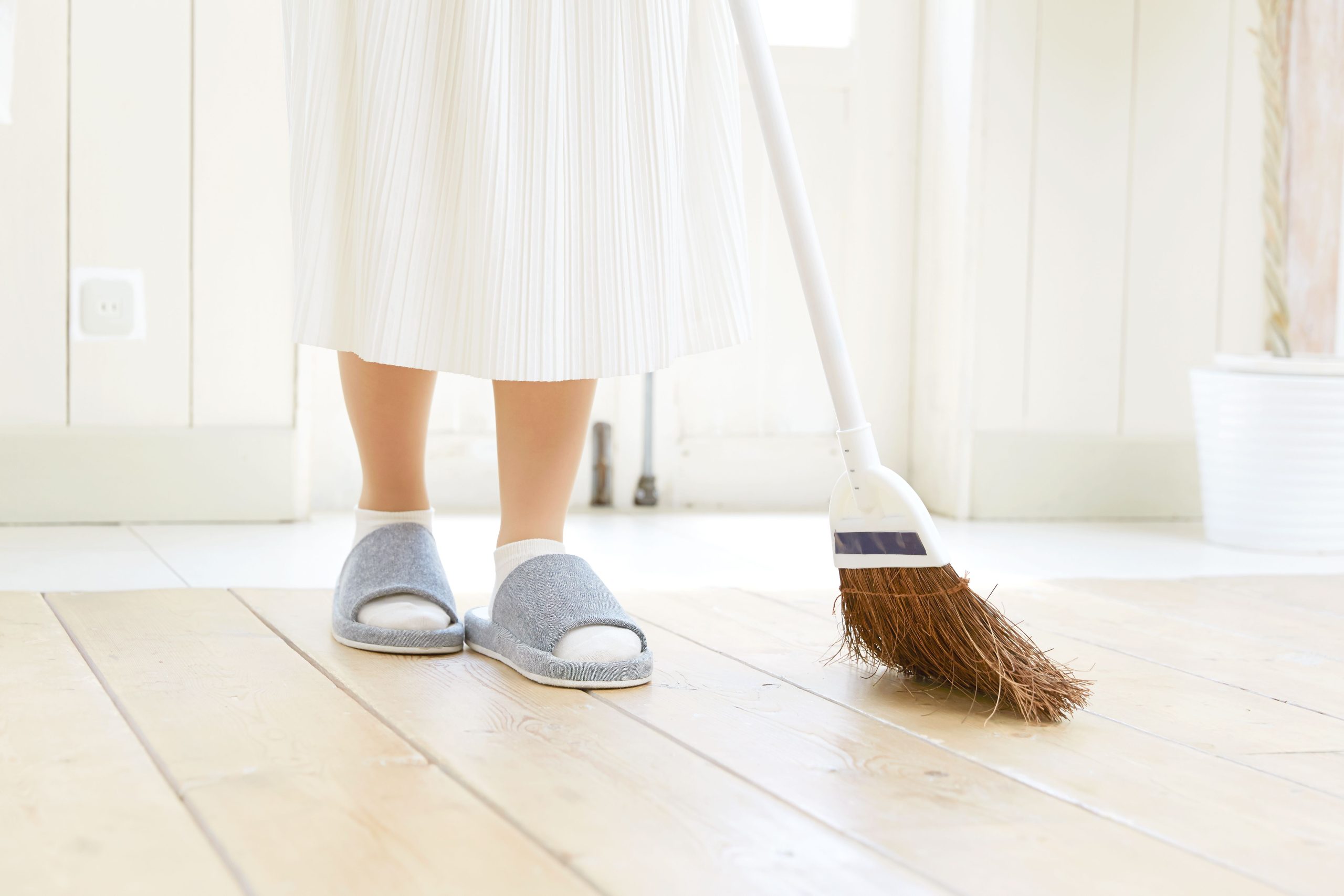
Sweeping is an essential domestic task that prevents floors from accumulating dirt, dust, crumbs, and hair. It’s particularly crucial in frequently used areas like kitchens and entryways to deter pests and maintain indoor air quality. But how often should you engage in this cleaning ritual to keep your house spotless?
While there’s no strict formula for the frequency of sweeping due to varying home and lifestyle factors, following some general guidelines can help you establish a suitable sweeping routine.

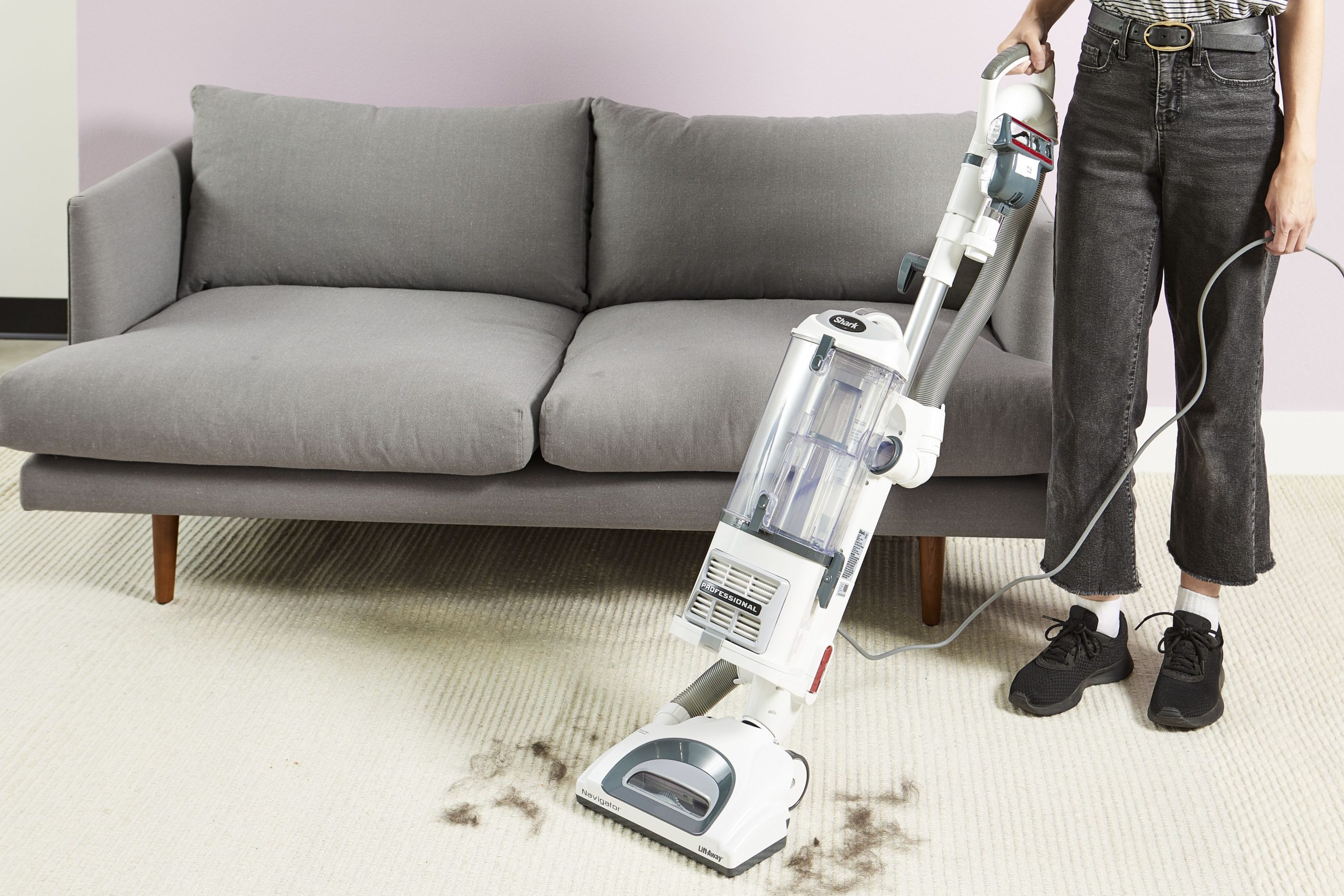
Homes with many occupants or young children, especially those who are crawling, will need more regular sweeping to ensure a clean and safe environment for the little ones. Pet owners, especially those with shedding animals, should also sweep more often, and a silicone broom is recommended for effectively collecting pet hair. Additionally, a no-shoes policy indoors reduces the need for frequent sweeping, as it limits the dirt brought in from outside.
Environmental conditions also influence your sweeping frequency. In damp climates, entryways can get muddy quickly, necessitating regular cleaning, while in arid regions, dust can accumulate faster, especially near doors and windows. Seasonal changes might also call for more sweeping, particularly in spring and fall to manage pollen levels and alleviate allergy symptoms.
High-traffic zones, such as kitchens, dining areas, entryways, mudrooms, and main living rooms, benefit from daily to every-three-days sweeping to combat the dirt and grime caused by heavy foot traffic and daily living. Primary bathrooms, prone to hair and product residue, also require frequent sweeping. In contrast, lower traffic rooms like home offices and bedrooms can be swept weekly or bi-weekly to prevent the build-up of dirt and dust.
Rooms less frequently used, such as guest rooms, formal living areas, and guest bathrooms, should be swept at least monthly to avoid dust accumulation and the resulting dirty appearance and musty odors.
Some may prefer a more flexible approach to sweeping, tackling the task when it’s visibly needed. Signs that it’s time to sweep include: