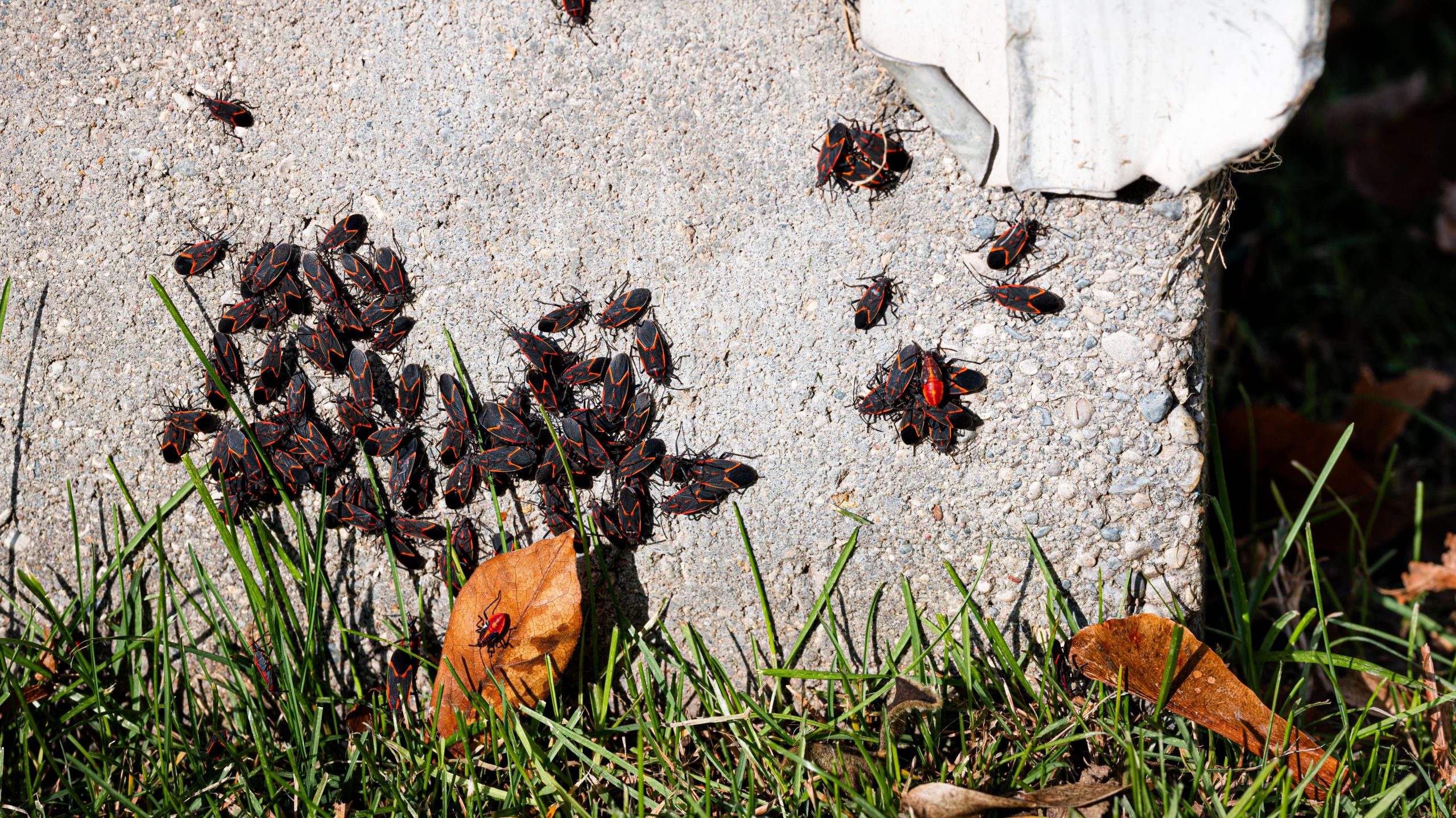
We’re all too familiar with the shiver of horror when a spider surprises us in the shower or a mouse scurries across the kitchen tiles. The reality is, these unwelcome visitors don’t just materialize; they find their way in through minuscule, frequently neglected openings around the house.
As the mercury falls and the great outdoors become less welcoming, pests seek warmth within our dwellings. The issue is that many homeowners don’t consider these hidden access points until it’s too late. However, with a bit of attention and some simple DIY solutions, you can bar these pests from setting up camp. Here are five unexpected spots where critters gain entry and how to permanently seal them off.
Inspect areas such as behind the washing machine, beneath the kitchen sink, or in the basement. These are points where utility lines like gas pipes, dryer vents, or cable wires enter, and builders tend to create holes slightly larger than needed. Over time, these gaps expand, essentially forming an indoor tunnel.
Solution: Fill any gaps around these lines with steel wool or wire mesh, as these materials are impervious to rodent gnawing. Then, coat the area around the pipes and cables with a layer of weather-resistant sealant for added security. For more substantial openings, consider fitting a rubber grommet or an escutcheon for a neat finish.
The exterior siding and decorative trim of your home may seem impenetrable, but pests know better. As houses age and materials respond to the elements, gaps can form at the junctions of siding with windows, doors, or corners.
Solution: Examine these siding seams and trim joints with the aid of a flashlight. If you detect any light penetration, apply a bead of top-notch exterior caulk. For wider gaps, slip in a flexible foam strip before caulking to ensure a snug seal.
Dryer vents come equipped with a flap that should close when the dryer is not in use. However, this flap can become stuck open due to lint buildup, dirt, or weather-related damage, allowing small rodents to squeeze through.
Solution: Check the dryer vent cover from the outside. If the flap doesn’t seal properly, remove any lint or debris. Should the cover be warped or damaged, replace it with a new one, which is an affordable solution available at most hardware stores.
Attic access points are easily forgotten but commonly exploited by pests. Small openings where the roof meets the structure, or vents with deteriorated screens, offer ideal entryways for unwanted guests, making them difficult to evict once they’re in.
Solution: Survey your roofline with binoculars from the ground or, if safe, from a ladder. Replace any torn vent screens with new hardware cloth or fine mesh. For gaps in the soffits, use exterior caulk or outdoor-rated spray foam to seal them effectively.
Basement windows and their adjacent wells are favorite hiding spots for pests. Over time, wooden frames may rot, caulk may peel, or window wells may accumulate debris and moisture, providing an ideal environment for pests.
Solution: Regularly clear out window wells and ensure they have proper well covers to prevent pests and debris from entering. For damaged frames, scrape away the old caulk and reseal using fresh, exterior-grade caulk.