Matcha contains a smaller amount of caffeine compared to coffee, yet it still manages to provide a vibrant energy boost without the shakes. It boasts a higher caffeine level than traditional green tea. The caffeine content in matcha is determined by the quantity of powder used and the specific type of matcha. You can reduce its strength by altering your brewing method, such as using less powder or diluting it with milk and various spices.
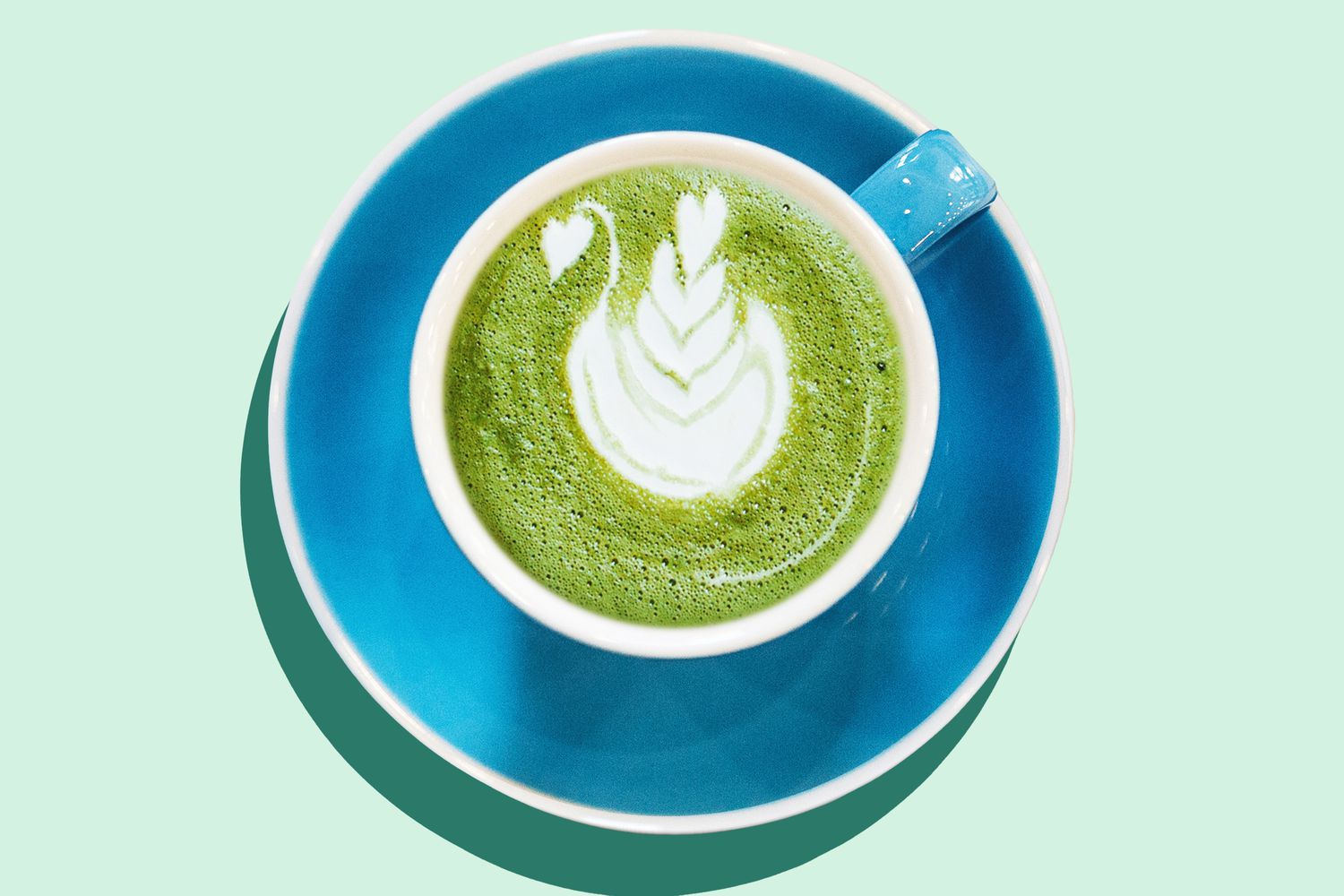
Matcha is currently trending, with matcha-infused foods and beverages popping up in various forms (think matcha soft serve, lemonade, soda, and noodles). However, traditionally, this fine green tea powder is sipped as a hot drink in Japan. To prepare matcha, the powder is frothed with a little hot water until smooth, and additional hot water is then added to create a steaming cup. Some prefer it iced, or mixed with nut milk or dairy to create a latte. Chilled matcha beverages, mixed with lemonade or coconut water, are also gaining popularity, and some bars even incorporate matcha into cocktails, such as a Matcha-rita twist on the classic margarita.
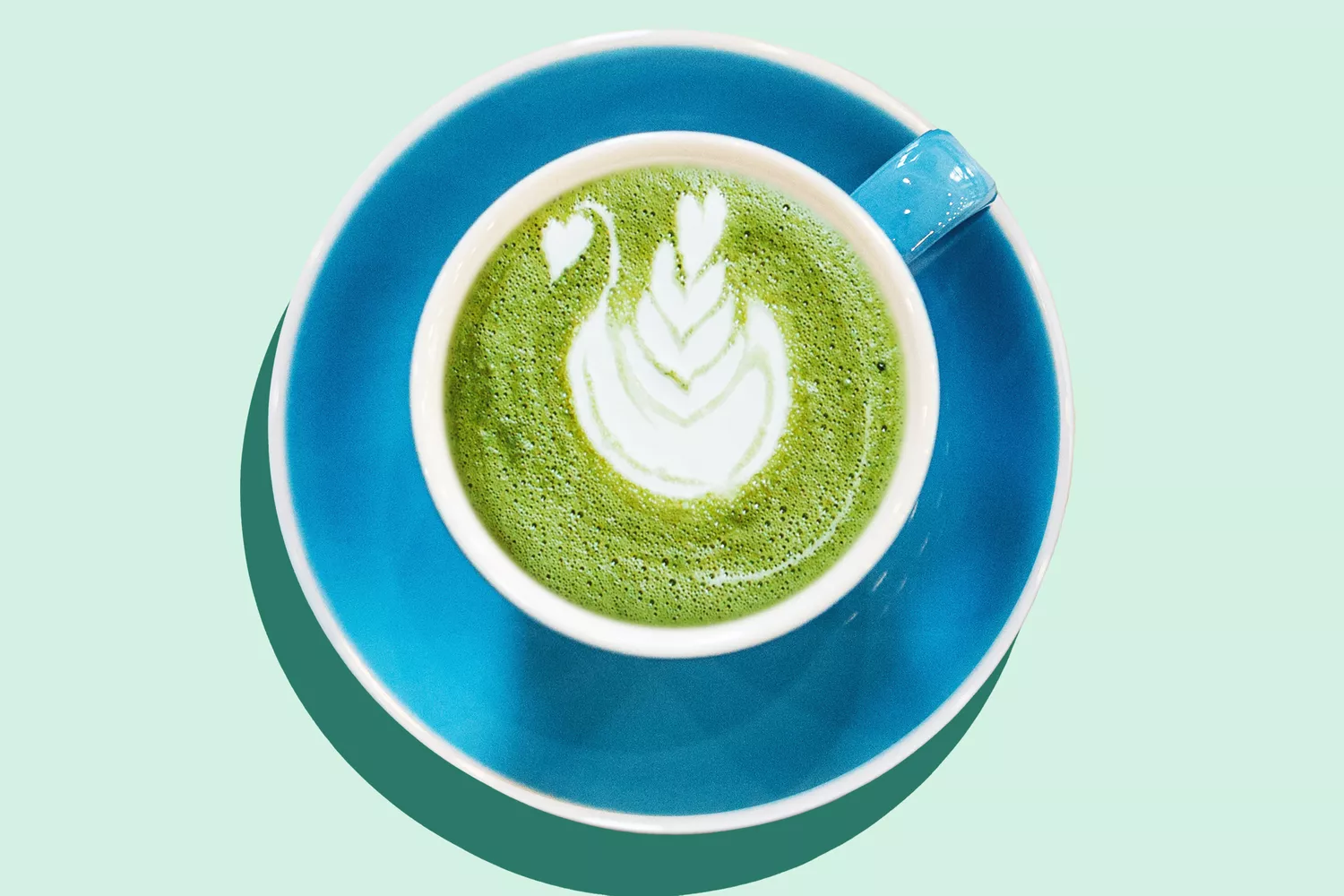
Stateside, matcha is praised for its nutrient richness and moderate caffeine levels, offering a pleasant alternative to coffee for those seeking a more herbaceous, clean taste and fewer jitters after their warm or chilled cup. It’s scientifically proven to offer numerous health advantages, including stress reduction, cognitive enhancement, and anti-aging effects. It’s also favored by those who favor decaf options, given matcha’s lower caffeine content compared to coffee.
While matcha does contain some caffeine, making it an excellent morning pick-me-up but a debatable post-dinner choice for those who want to avoid a late-night energy surge, here’s the lowdown on its caffeine levels.
Kristina Tucker, the Chief Communications Officer at The Republic of Tea, weighs in on the topic. “The caffeine in a cup of matcha can fluctuate depending on how it’s made,” she notes. “Ceremonial matcha typically contains about 30 to 60 milligrams per serving.”
Tucker adds that different types of matcha may have varying caffeine levels. “Several factors influence matcha’s caffeine content, including the type. Ceremonial matcha might have more caffeine than culinary matcha since it’s sourced from younger, shade-grown leaves, which generally contain higher natural levels, though this can differ among individual leaves.”
Since matcha is a pulverized version of the entire green tea leaf, it has a bit more caffeine than a regular cup of green tea. A standard cup of green tea usually has around 30 to 50 milligrams of caffeine.
Matcha has less caffeine per ounce than coffee. “An 8-ounce cup of coffee usually packs about 95 to 200 milligrams of caffeine,” Tucker says. “While matcha has less caffeine than coffee, it delivers a smoother, longer-lasting energy boost due to L-theanine, an amino acid that may foster a serene alertness.”
For those who enjoy the taste of matcha but are not seeking a caffeine hit, it’s possible to reduce its caffeine content without special blends. “The way you prepare it makes a significant difference; more powder equals more caffeine. To cut back, use less matcha powder and consider adding milk or a milk substitute, or even a spice like ginger or a seed like chia. These adjustments can decrease the caffeine and mellow the flavor.”