Emerging from my tent, I pulled my hat low over my ears and peered at the car’s thermometer, which registered 38 degrees Fahrenheit. May 25th had arrived, and though much of the state was already sizzling, West Virginia’s Cranberry Wilderness remained refreshingly cool—a haven for the trout that dart through its rivers. Its temperature is a testament to its lofty elevation, ranging from 2,400 to over 4,600 feet above sea level.
Every spring, my father and I navigate the serpentine roads of rural West Virginia, heading towards the Cranberry Wilderness. Covering 47,815 acres, it stands as one of the largest roadless wildernesses east of the Mississippi, renowned for its unique spring delicacies: trout, ramps, and morels. We immerse ourselves in its beauty for a few days, setting up camp alongside the Cranberry and Williams rivers, where we fish and explore nearby trails, all the while keeping a keen eye out for wild mushrooms.
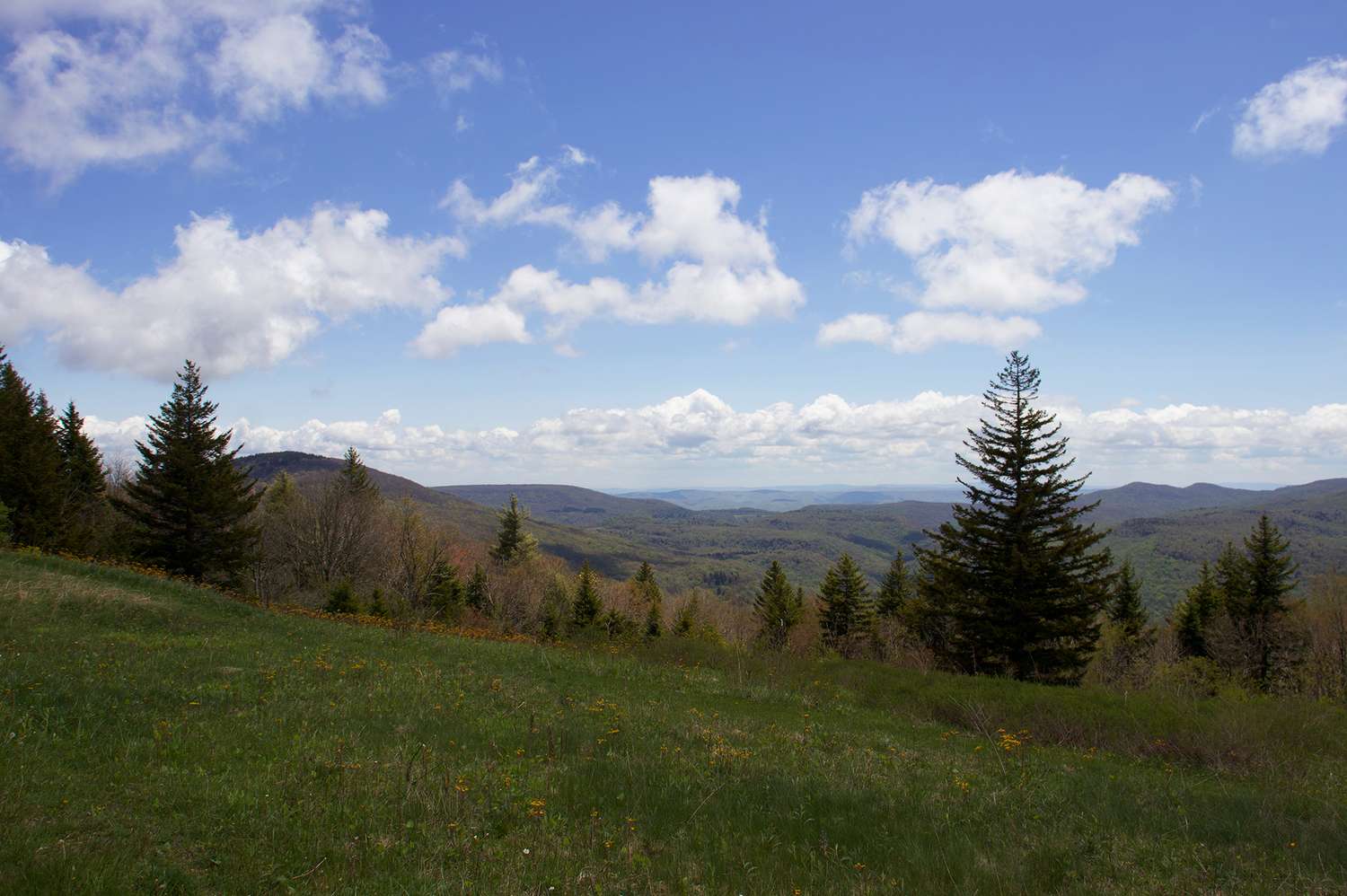
Though I cherish our spring escapades, the Cranberry Wilderness is equally captivating throughout the year. Summer is an ideal season to savor its refreshing climate and its 135 miles of moss-covered hiking and biking paths. These trails traverse rugged mountains and serene streams, rivers, waterfalls, and swimming spots, offering a slice of tranquil solitude.
Travelers along the Cranberry River can also venture down a gated gravel road, off-limits to vehicles. This route is tailor-made for biking adventures and features Appalachian Trail-style lean-to camping shelters, available on a first-come, first-served basis. The adjacent Tea Creek Wildlife Management Area boasts an extra 45 miles of hiking trails with similar shelters, perfect for backpacking excursions.
Some areas, such as the breathtaking Big Beechy Falls, are challenging to reach, demanding miles of hiking and intricate navigation. The Cranberry Wilderness is famous for its untamed, rugged terrain. By traversing the North Fork, Big Beechy, and District Line trails, visitors can pay their respects to the crash site of Flight N28901—a Cessna 414 that tragically crashed in 1995 and remained undiscovered until 2001.
For those less inclined towards rigorous treks, there are several shorter, delightful walks. The Falls of Hills Creek Trail leads past three majestic waterfalls over a brief, 1.5-mile hike. An ADA-accessible boardwalk at the trailhead also offers a vantage point of the first waterfall.
On our last visit, we spent an afternoon on the Black Mountain Trail. This 4.7-mile loop provides stunning views of the Williams River Valley and Big Spruce overlooks, an excellent vantage point to admire the area’s autumnal foliage.
A touch further along, we relished stopping at the Cranberry Glades Botanical Area. This high-elevation bog features a half-mile boardwalk where you can spot rare flora, including cranberries, oblong-fruited serviceberries, rose pogonias, skunk cabbages, and even carnivorous pitcher plants and sundews, which dine on flies, gnats, and other tiny creatures. The sight is particularly captivating when the cranberry bushes burst into fiery reds against the backdrop of spruce-clad mountains in the fall.
No matter how we spend our time, we always carve out prime fishing hours in the mornings and evenings along the river. On the final morning of our journey, my dad stood on a large rock outcrop, casting into a cool, deep pool. He allowed the current to unwind additional line, drawing the lure deeper into the water before securing the bail. From a higher vantage point, I caught a glimpse of a swift flash beneath the surface, followed by the line going taught, bending the rod’s tip.
With a swift tug, he set the hook, then meticulously reeled in his catch before reaching down with the net to scoop up a vibrant rainbow trout. Despite the chilly morning, the Cranberry Wilderness never fails to deliver.