In the realm of skincare, the belief that more is better is not always accurate, contrary to the claims of many influencers. In truth, the daily use of products endorsed by influencers may actually be doing more damage than good, according to skincare professionals.
“Often, the most effective routines are the simplest,” notes Dr. Hannah Kopelman, Chief Medical Officer at DermOnDemand. She advises sticking to a basic routine that includes a mild cleanser, a moisturizer rich in ceramides, a comprehensive mineral sunscreen, and the strategic addition of actives like niacinamide or bakuchiol when necessary.
Noticeably absent from her recommended list are items such as abrasive scrubs, disposable wipes, pore-clogging oils, and homemade internet skincare solutions. Dr. Kopelman suggests that by steering clear of needlessly complex or irritating products, most individuals can achieve healthier skin with less exertion.
So, how do we discern which products deserve a spot in our skincare routines and which we can forgo? Dr. Kopelman has shared her insights, highlighting the overrated products she advises her patients to avoid and the truly invaluable skincare essentials that can replace them. Her suggestions include budget-friendly options from drugstore brands like La Roche-Posay, Neutrogena, and CeraVe, with her recommended swaps starting as low as $9.
Dr. Hannah Kopelman is a board-certified dermatologist, Chief Medical Officer at DermOnDemand, and the host of the Derm Club podcast.
Here are some of the products mentioned:
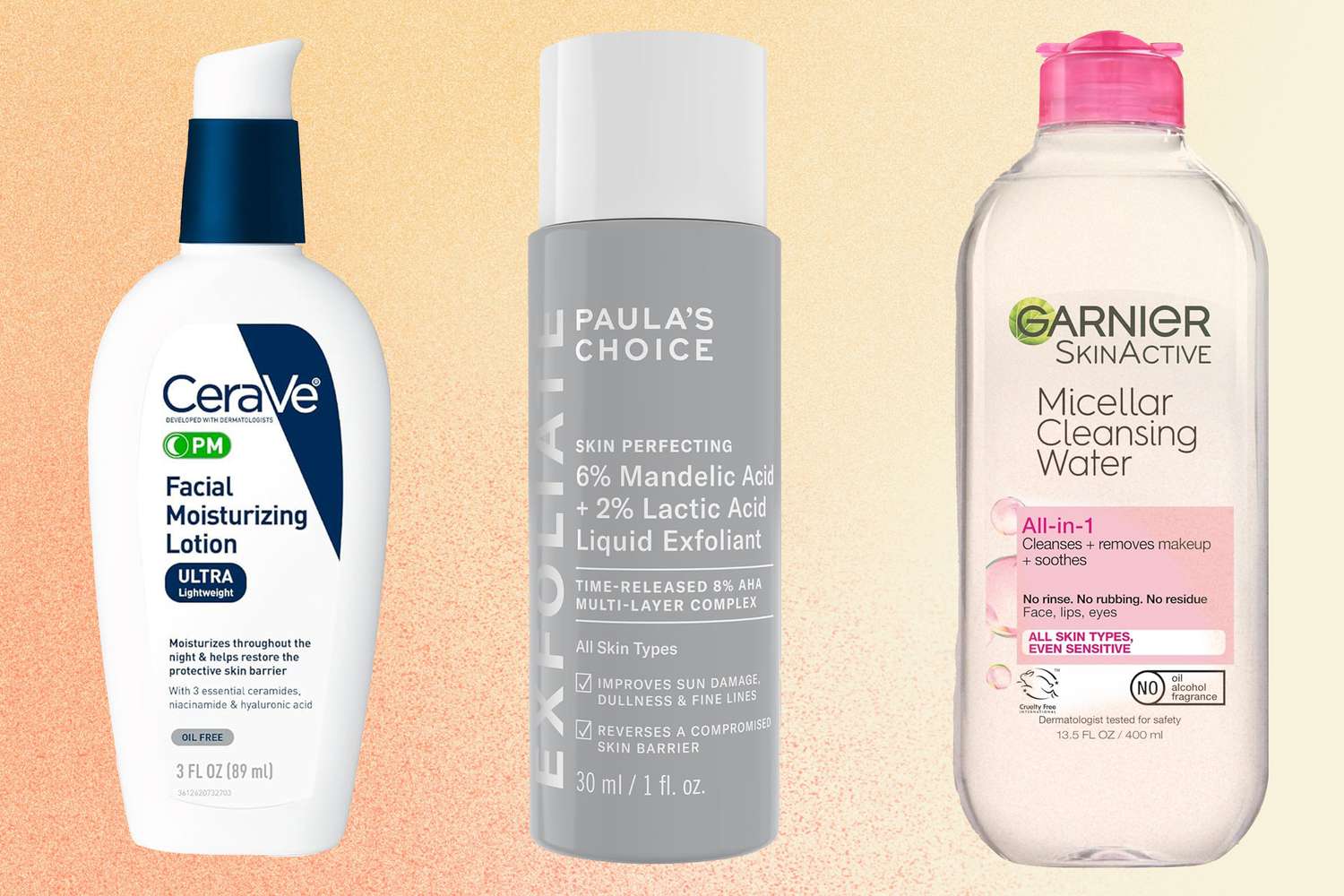
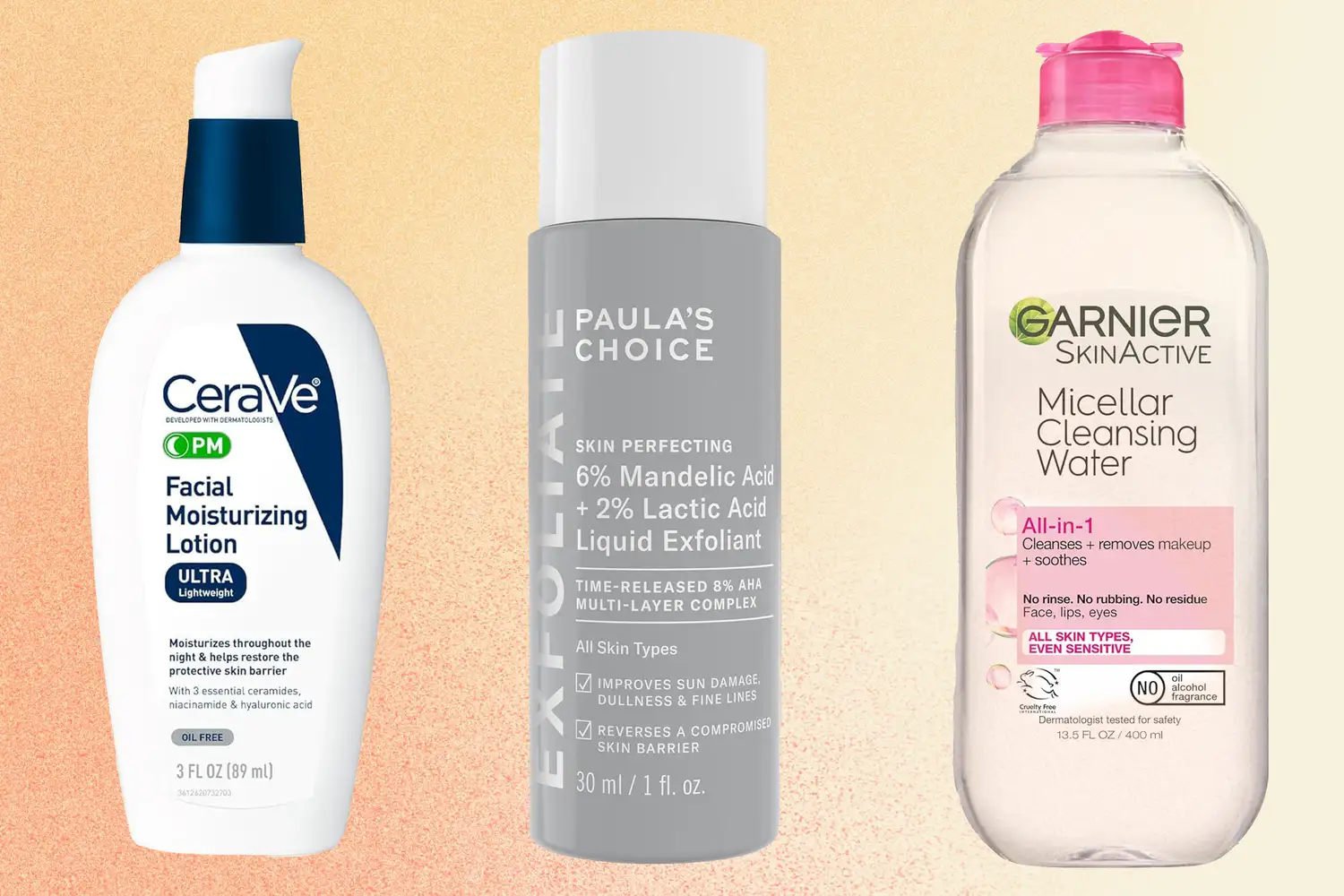
– Garnier Micellar Water, $9 (previously $12)
– La Roche-Posay Hyalu B5 Pure Hyaluronic Acid Serum, $34 (previously $40)
– Paula’s Choice 6% Mandelic Acid + 2% Lactic Acid Exfoliant, $15
– La Roche-Posay Toleriane Hydrating Gentle Face Cleanser, $16 (previously $20)
– Mighty Patch Hydrocolloid Pimple Patches, $13 (previously $16)
– CeraVe PM Facial Moisturizing Lotion, $12 (previously $20)
– The Ordinary 100% Plant-Derived Squalane, $11
– Neutrogena Collagen Bank Face Moisturizer, $16 with coupon (previously $23)
While convenient, disposable wipes may not be as effective for cleansing as one might assume. Dr. Kopelman often cautions against their use, as they can tug at the skin and leave behind residue. She favors micellar water as a gentle and effective alternative that doesn’t require rubbing and is also more environmentally friendly due to less waste.
Most toners are unnecessary unless specifically recommended for particular skin issues, Dr. Kopelman advises, as they can dry out the skin and exacerbate irritation. Instead, opt for a gentle cleanser that maintains skin balance and hydration, or a hydrating essence or serum with ingredients such as hyaluronic acid or niacinamide, which support the skin barrier and maintain a plump complexion.
Grainy face scrubs, which can create microscopic tears in the skin, especially in acne-prone or sensitive types, should be replaced with gentle exfoliating acids for a safer and more effective long-term solution.
DIY skincare hacks, such as using apple cider vinegar, are not recommended by Dr. Kopelman due to their harshness and potential to damage the skin barrier. For a safe and sting-free brightening effect, she suggests using gentle chemical exfoliants like lactic acid or polyhydroxy acid.
Popping pimples is a strict no-no, as it can lead to scarring and inflammation. Instead, Dr. Kopelman recommends hydrocolloid pimple patches, which accelerate healing and prevent bacterial infection and picking.
Luxury night creams are not a necessity for achieving hydrated and healthy-looking skin. Drugstore moisturizers with ceramides can be just as effective as expensive alternatives. Dr. Kopelman suggests the CeraVe PM Facial Moisturizing Lotion for its simplicity, affordability, and benefits.
Coconut oil, while suitable for dry areas like elbows and knees, is not ideal for facial use due to its comedogenic properties. Dr. Kopelman suggests using lightweight, non-comedogenic squalane instead, such as the 100% plant-derived option by The Ordinary.
For those who find retinol too drying, bakuchiol is a gentle alternative that provides similar anti-aging benefits without the irritation. Dr. Kopelman suggests the Neutrogena Collagen Bank Face Moisturizer, which combines bakuchiol with anti-aging peptides.