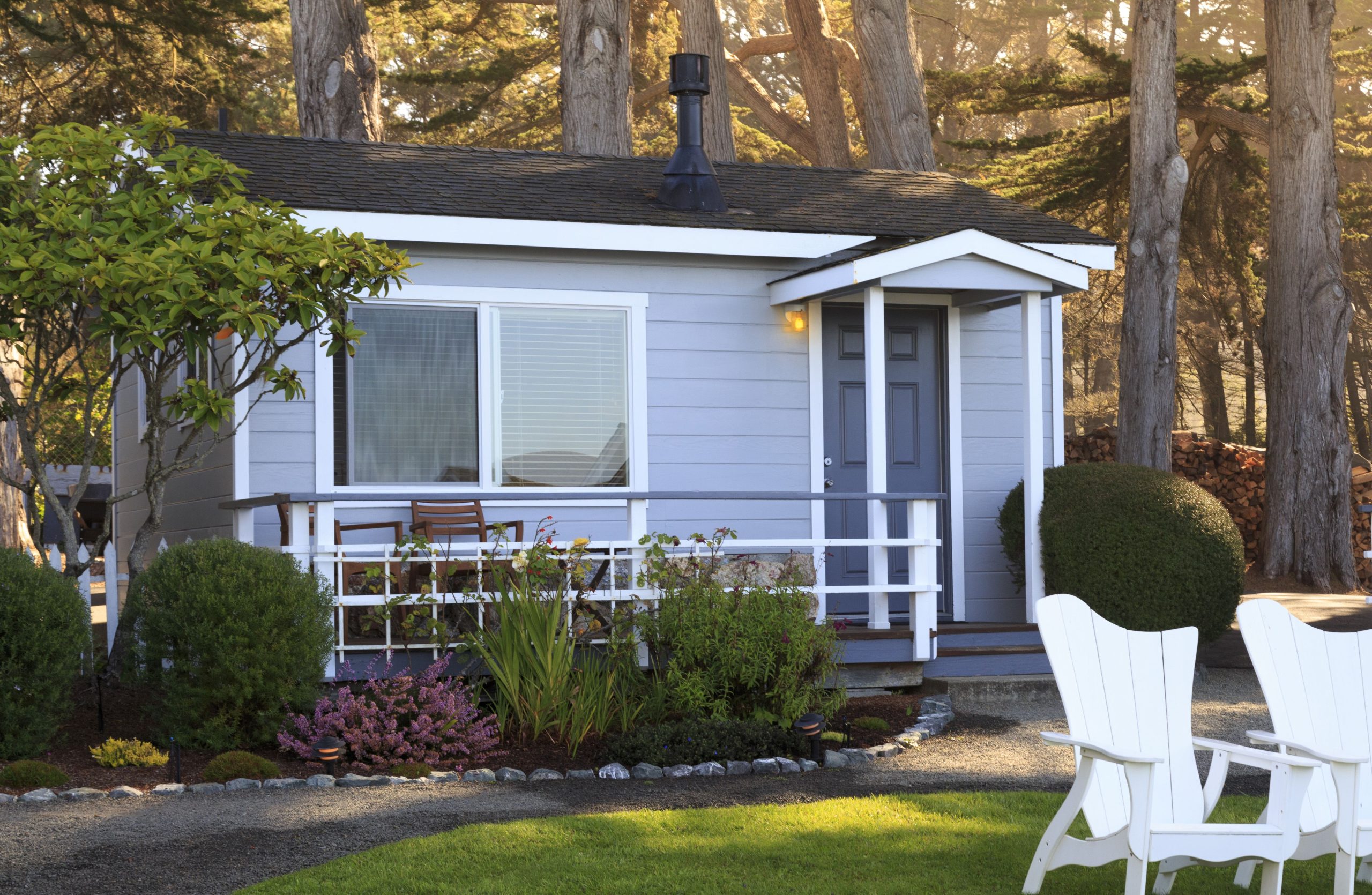
Compact homes have been in vogue for some time now. Amid escalating housing expenses, growing interest in sustainability, and a trend towards decluttering and simplification, small-scale residences hold appeal for many. The phrase “tiny house” now encapsulates a lifestyle that favors modest, uncluttered, and budget-friendly homes that are bigger than garden sheds but much smaller than the expansive McMansions of previous generations. Consider a space ranging from 600 to 1,200 square feet, as opposed to the current median home size in the U.S. of 1,800 square feet.
Given their limited outdoor areas, tiny homes require landscaping that complements the compact structure without overpowering it, making the most of every available inch of space. The following expert advice from Laura Najman Janney, a garden designer and proprietor of The Inspired Garden in New Jersey, will guide you in creating the perfect landscape for your tiny home.
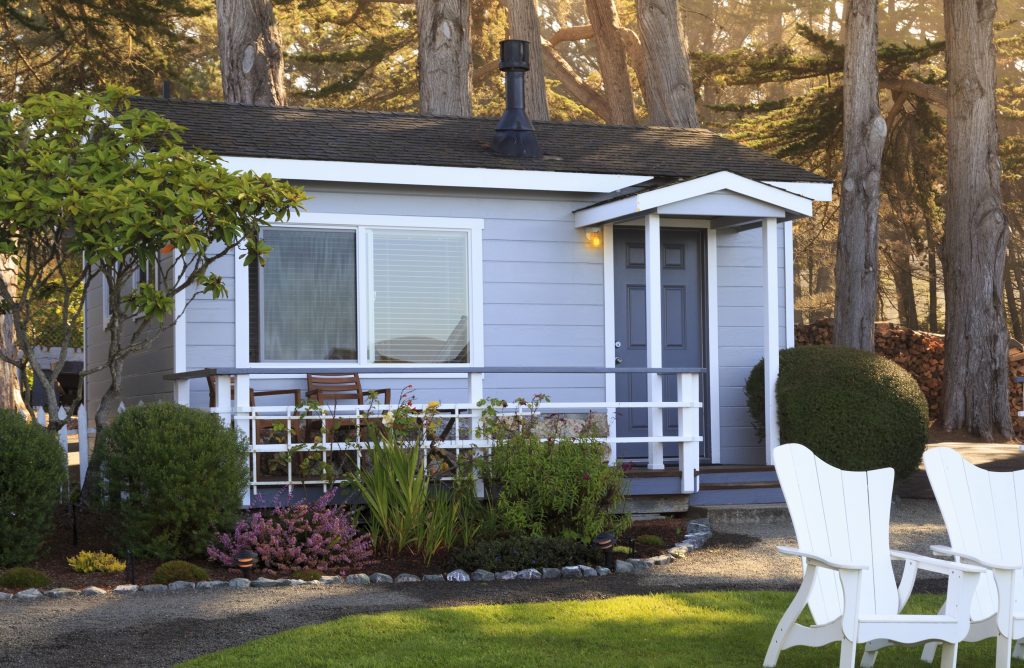
Maximizing a petite yard is all about utilizing outdoor vertical space, suggests Janney. This can be achieved through hanging plants, vines on trellises or walls, towering potted plants, smaller trees, and stacked planters. She advocates for climbers and taller plants not just for their space efficiency, but also for the privacy they provide, acting as a buffer between you and your potentially nearby neighbors in a compact yard.
“Vertical greenery creates a sense of enclosure, a personal sanctuary,” Janney notes. “It makes a small outdoor area feel more expansive by transforming it into a secluded oasis.”
When selecting plants, ensure they are in harmony with the size of your tiny house. “You can’t just introduce large perennials or shrubs into a small yard,” she cautions. “You must be considerate of the available space.” Large shrubs and trees can visually shrink a tiny house and make the yard seem even smaller. However, dwarf versions of traditional plants remain compact even when fully grown. While large plants aren’t off-limits, their placement must be strategic. A well-placed large tree on the south or west side of your home can offer shade and cut down on cooling costs, while a single, significant plant can become a landscape highlight.
If your tiny house is surrounded by established trees and shrubs, work with them rather than removing them. Keep smaller plants near the house to maintain visual balance.
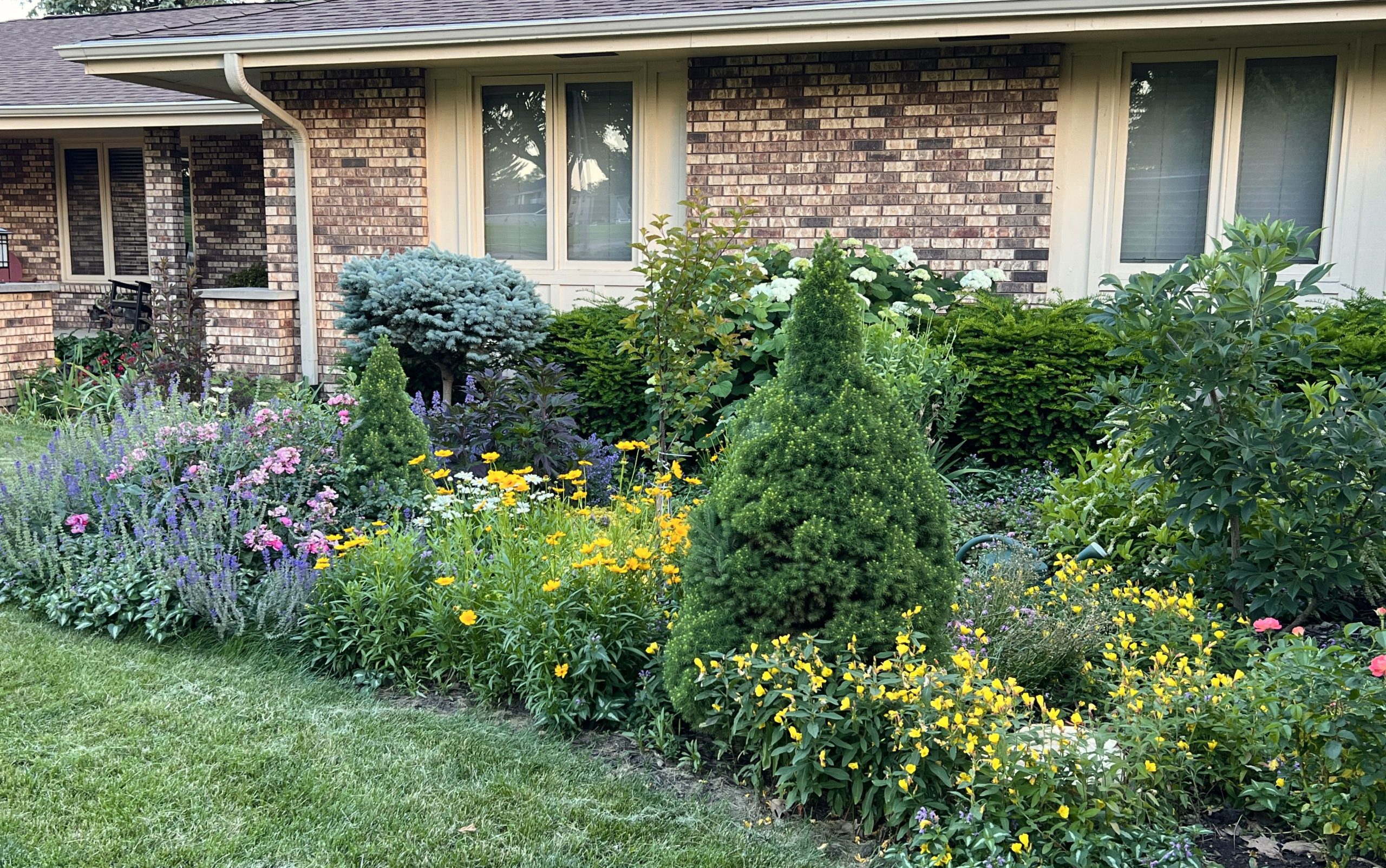
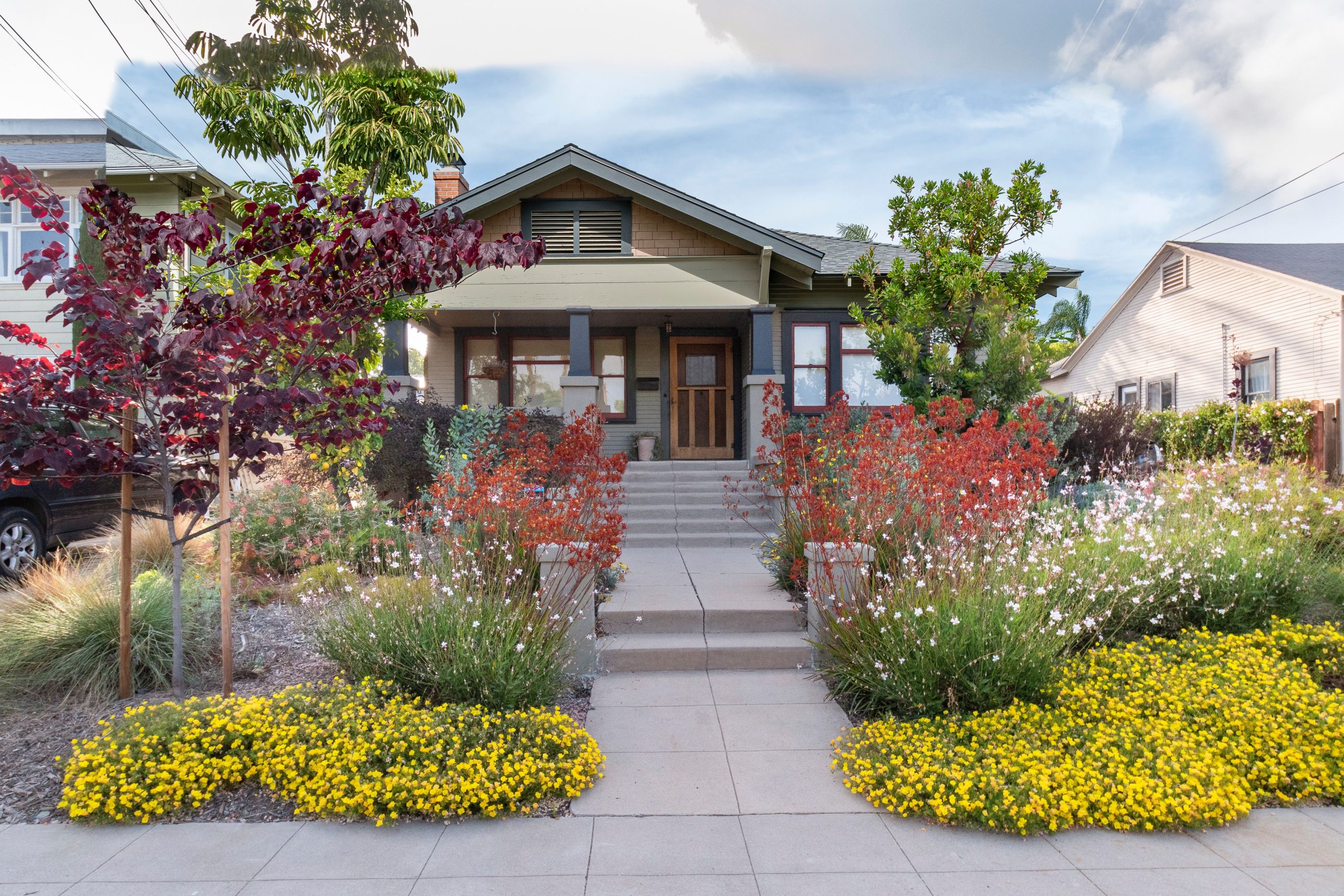
Given the limited outdoor space, choose plants that provide long-lasting color. Janney suggests using perennials with extended blooming times. “You don’t want plants that only flower for two weeks each year,” she advises. “Opt for plants that keep your yard looking attractive as long as possible.”
Plants with persistent blooms include catmint, coneflowers, yarrow, and continuous-blooming hydrangeas and roses. Those with vibrant foliage, such as coral bells, hosta, and caladium, are also excellent picks.
“Choose plants that remain visually appealing year-round, whether they’re in bloom or not,” Janney adds.
In a small yard, Janney recommends a simple and consistent color scheme for plants. “Avoid the temptation to include every possible color in your garden,” she says. “Too many hues can make the space seem chaotic, cluttered, and overwhelming.” A restrained color palette creates a more serene and cohesive garden that complements a tiny house. “Strive for a harmonious look that seems thoughtfully planned and designed, not haphazard or untidy,” she says.
Creating an outdoor living space, such as a deck or patio, effectively extends the living area of a tiny home and unites the indoor and outdoor environments. Use this area for dining, relaxing, or napping—it’s like adding an extra room to your house.
Janney suggests tailoring this outdoor space to your preferences and making it as functional as possible. Invest in comfortable seating, hang string lights for ambiance, and incorporate plants for visual appeal. “Treat this space with the same consideration you would an indoor room,” she suggests.
In your outdoor room, consider compact, collapsible furniture for easy storage when not in use. Multi-functional items, like an ottoman that serves as a storage container, are ideal for a tiny home’s outdoor area.
Adding a container garden to your tiny house’s yard can fit in more plants without taking up much space. Window boxes can squeeze in additional greenery and connect your home to the broader landscape. When choosing containers, focus on design. “Select containers that contribute color and interest to your outdoor area, so you’re not solely dependent on the plants,” Janney says.
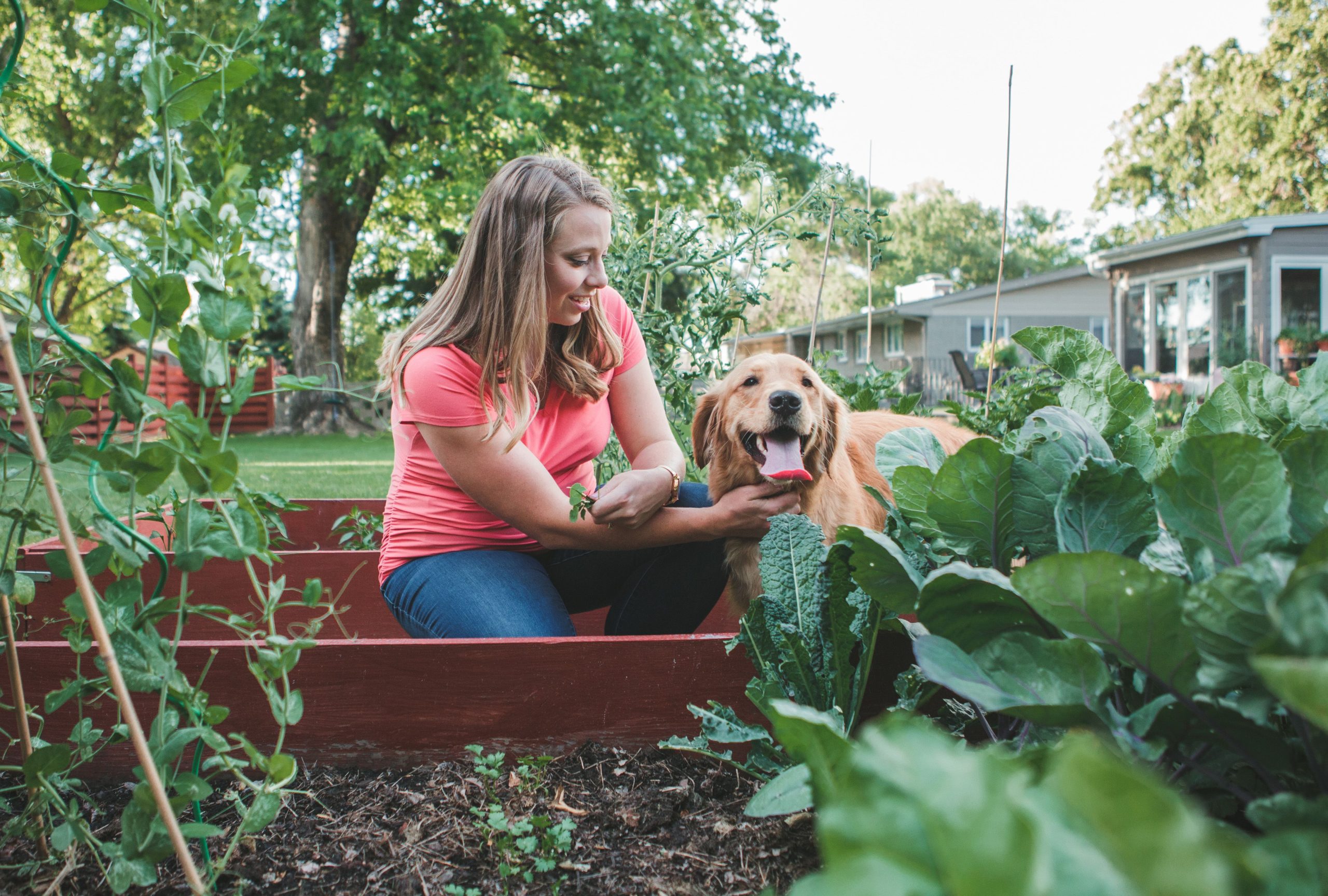
When landscaping a small yard, align with the tiny house aesthetic of minimalism and sustainability. Mix in edible plants like herbs, vegetables, and dwarf fruit trees. Include plants that attract pollinators and provide wildlife habitat. Minimize the lawn area and employ water-saving strategies such as drip irrigation, rain barrels, and mulching.