A prime garden is one that provides a shared haven for you and your dear ones, including the family pets like dogs and cats. Crafting a garden that’s both pet-friendly and appealing doesn’t require a drastic departure from traditional gardening, yet there are several crucial factors to consider. This manual details how to cultivate a pet-friendly outdoor space, complete with expert advice on the best plant varieties and essential safety measures.
A pet-friendly outdoor space should steer clear of poisonous or delicate plants, opting instead for robust, pet-safe foliage. Considering your pet’s innate behaviors when planning—such as making pathways, cool retreats, or sanctioned digging areas—can help preserve your garden. Employing raised beds, gentle barricades, and thoughtful diversions can allow your garden to flourish without excluding your animal companions.
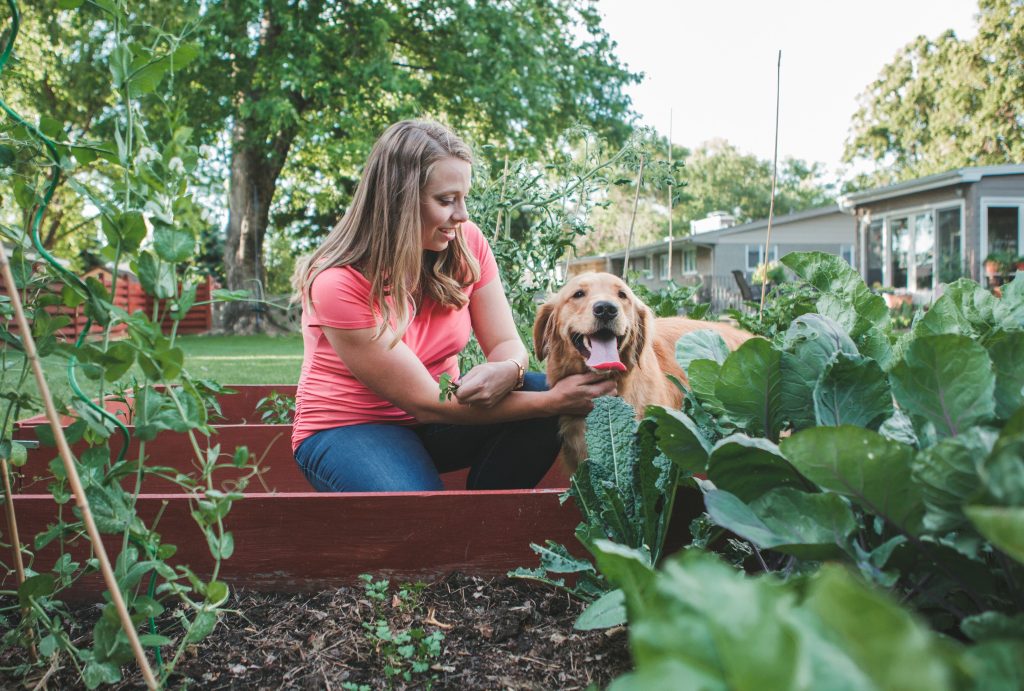
There are numerous incentives to build a pet-friendly garden, but most importantly, our time with our furry companions is limited. By creating an outdoor space where your pet can safely spend time with you, you won’t have to forgo quality time with your pet to tend to your garden.
“Gardens are meant to be appreciated by all inhabitants of the home,” remarks Kasey Bersett Eaves, owner of Vivant Gardening Services in Chicago, Illinois. “Ensure your garden includes a spot for each family member.”
One of the highlights of garden planning is selecting the plants you will grow. However, it’s essential to remember that not every plant is pet-safe.
“Certain plants are harmful to pets and should be avoided, particularly if your pet has a tendency to chew on anything within reach,” Eaves cautions.
Here are several common garden plants that are poisonous to pets:
– Lilies
– Lily of the Valley
– Foxglove
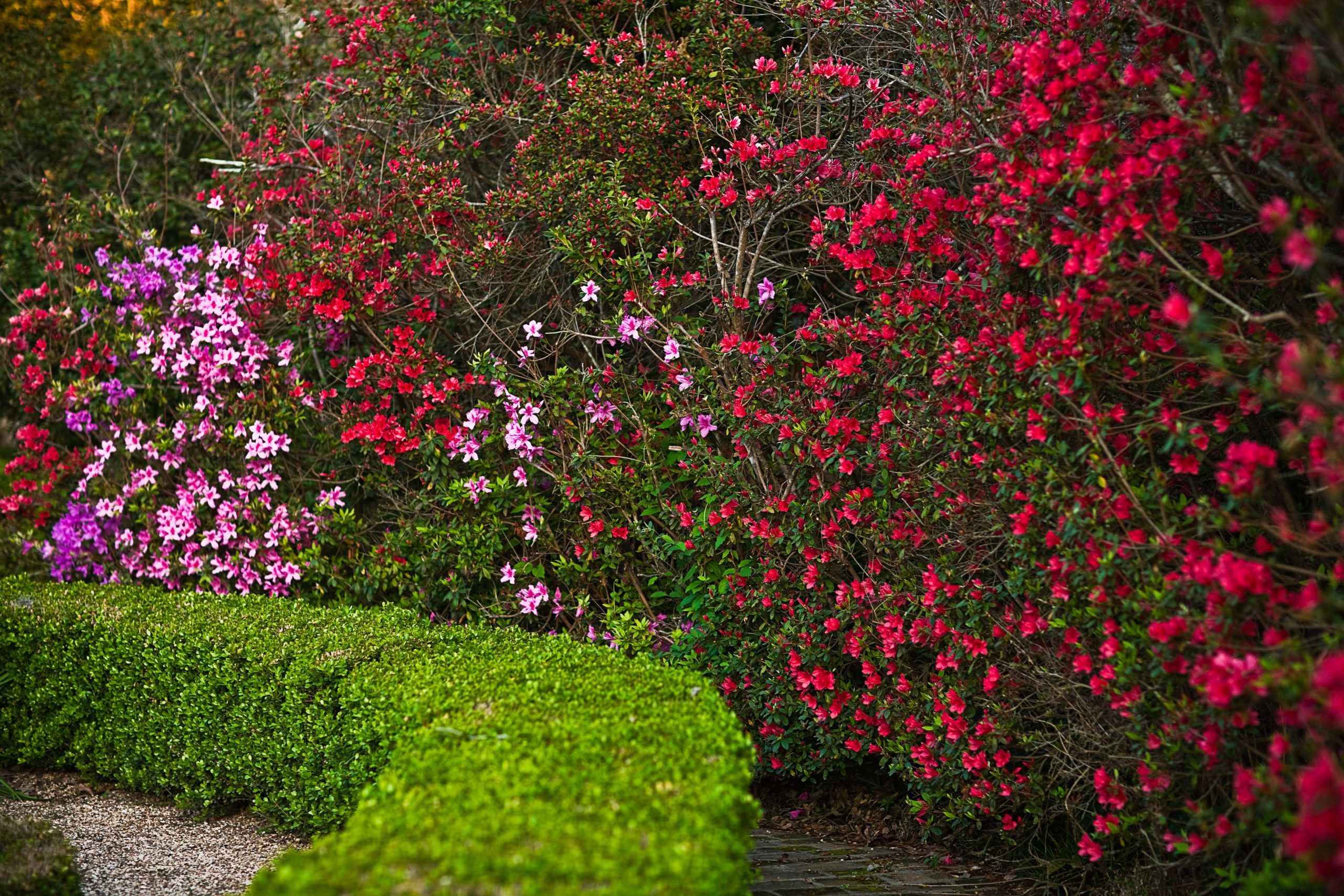
– Azalea
– Hosta
– English Ivy
Additionally, plants that are easily damaged should be avoided, especially if you have an active dog.
“If your dog is prone to running around the garden, be cautious with plants that can be readily damaged,” Eaves advises.
Some fragile plants that might be best avoided include:
– Dahlias
– Bleeding heart
– Other delicate, soft-stemmed blooms
“Prioritize grasses, shrubs, and plants that recover quickly, allowing them to spring back after a playful bout of fetch or a chasing session,” Eaves suggests.
While aiming for a pet-friendly garden, setting gentle limits to safeguard your plants from overly enthusiastic four-legged assistants is perfectly fine. A variety of methods, from decorative fences to elevated garden beds, can protect your plants without completely shutting pets out.
Another strategy for plant protection is to redirect your pet’s attention, particularly if they’re tempted to urinate in the garden. “Dogs naturally gravitate towards large, porous, and seemingly permanent objects to mark their territory,” Eaves explains. “Strategically placing these in sensitive areas can significantly protect your garden.”
The secret to a successful pet-friendly garden lies in considering your pets from the outset.
“Plan your garden with their instincts in mind, and you won’t need to worry about them interfering with your garden beds,” Eaves says.
Another aspect of enhancing the pet-friendly nature of your garden is to dedicate an area that caters to your pets’ preferences.
“Features like a small pool, a sandy play area with toys, and a cozy, shaded space can encourage your pets to unwind without destroying your garden,” Eaves notes.
Lastly, remember that even after establishing a pet-friendly garden, some adjustments may be necessary. A adaptable gardener is a prosperous one!