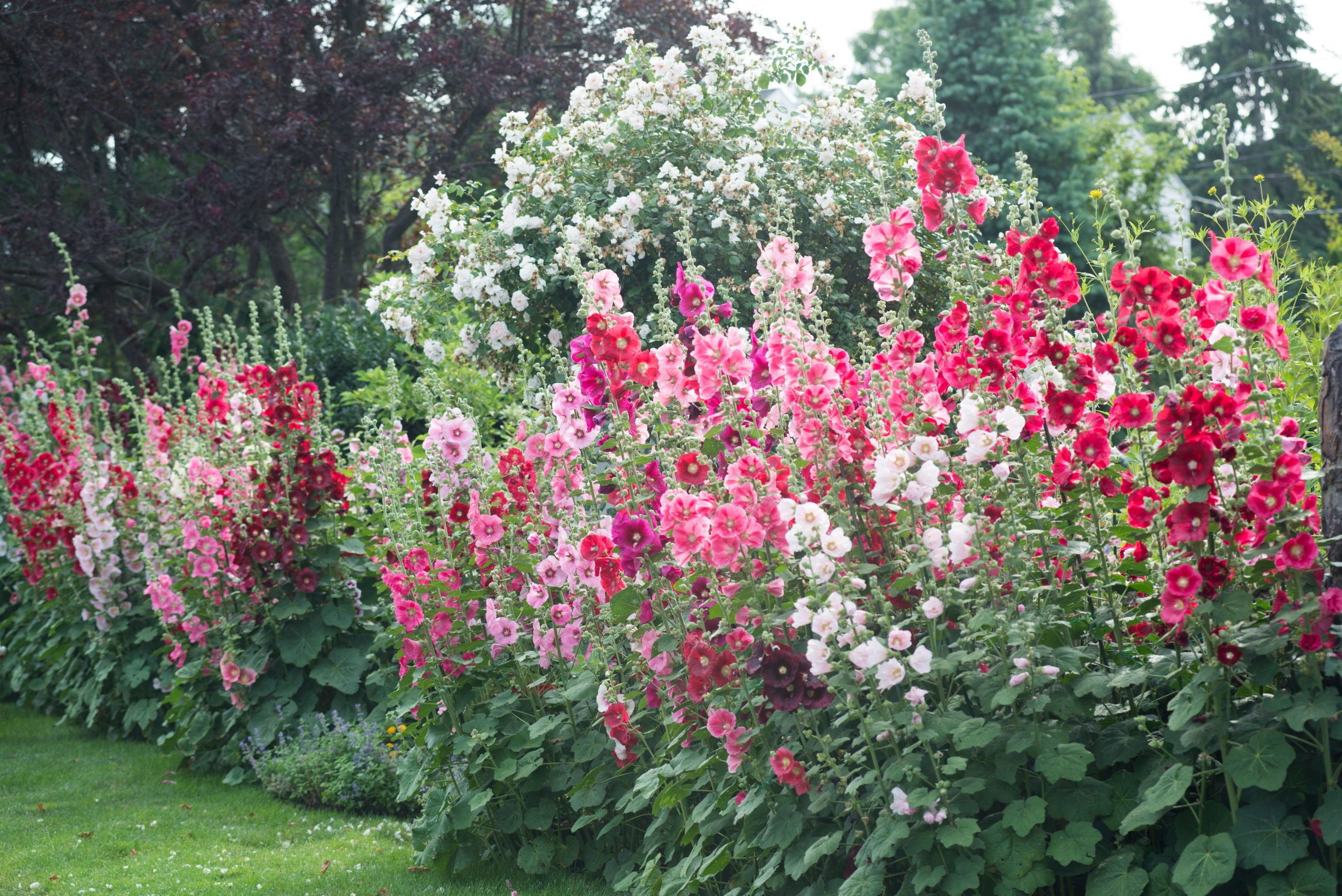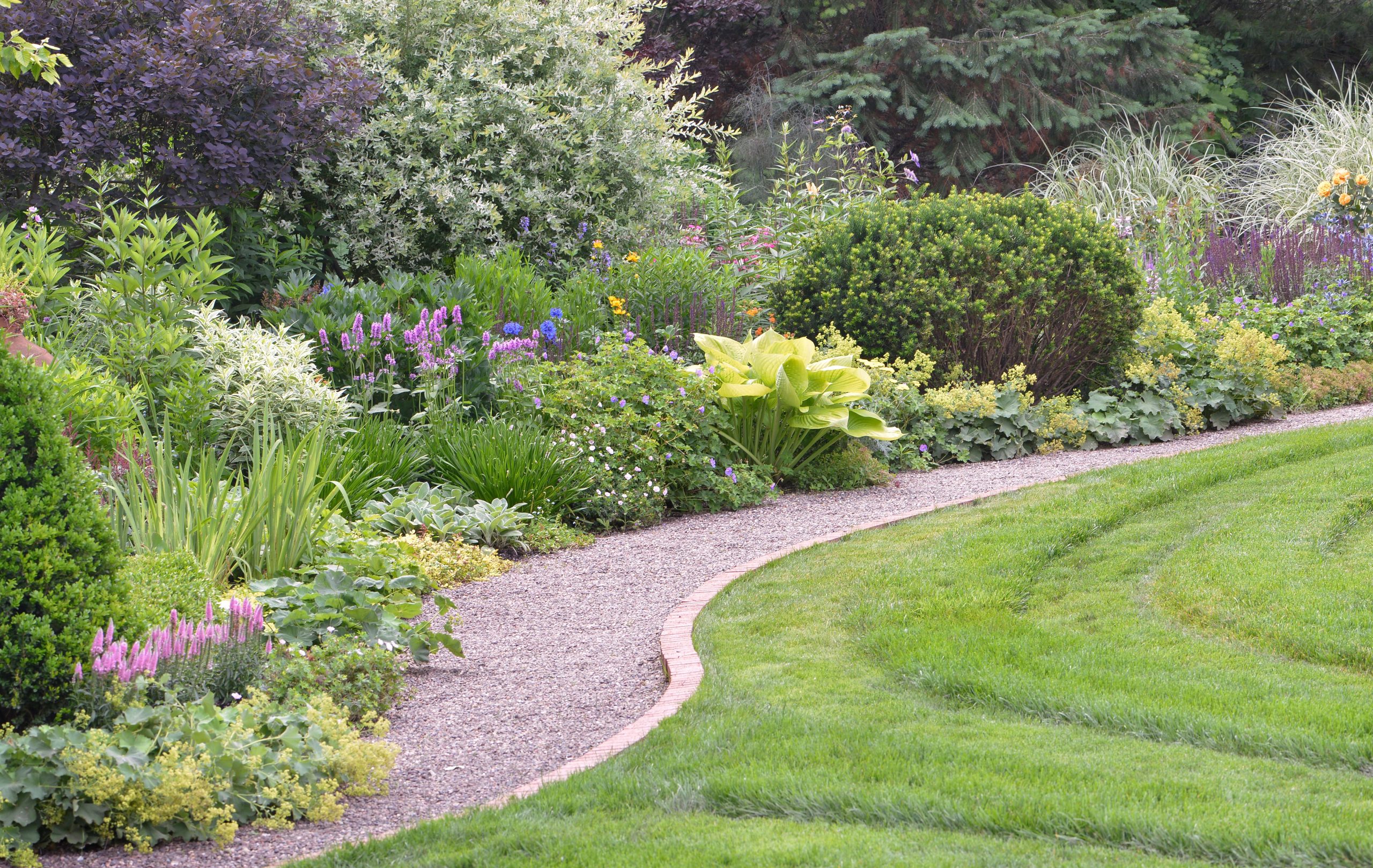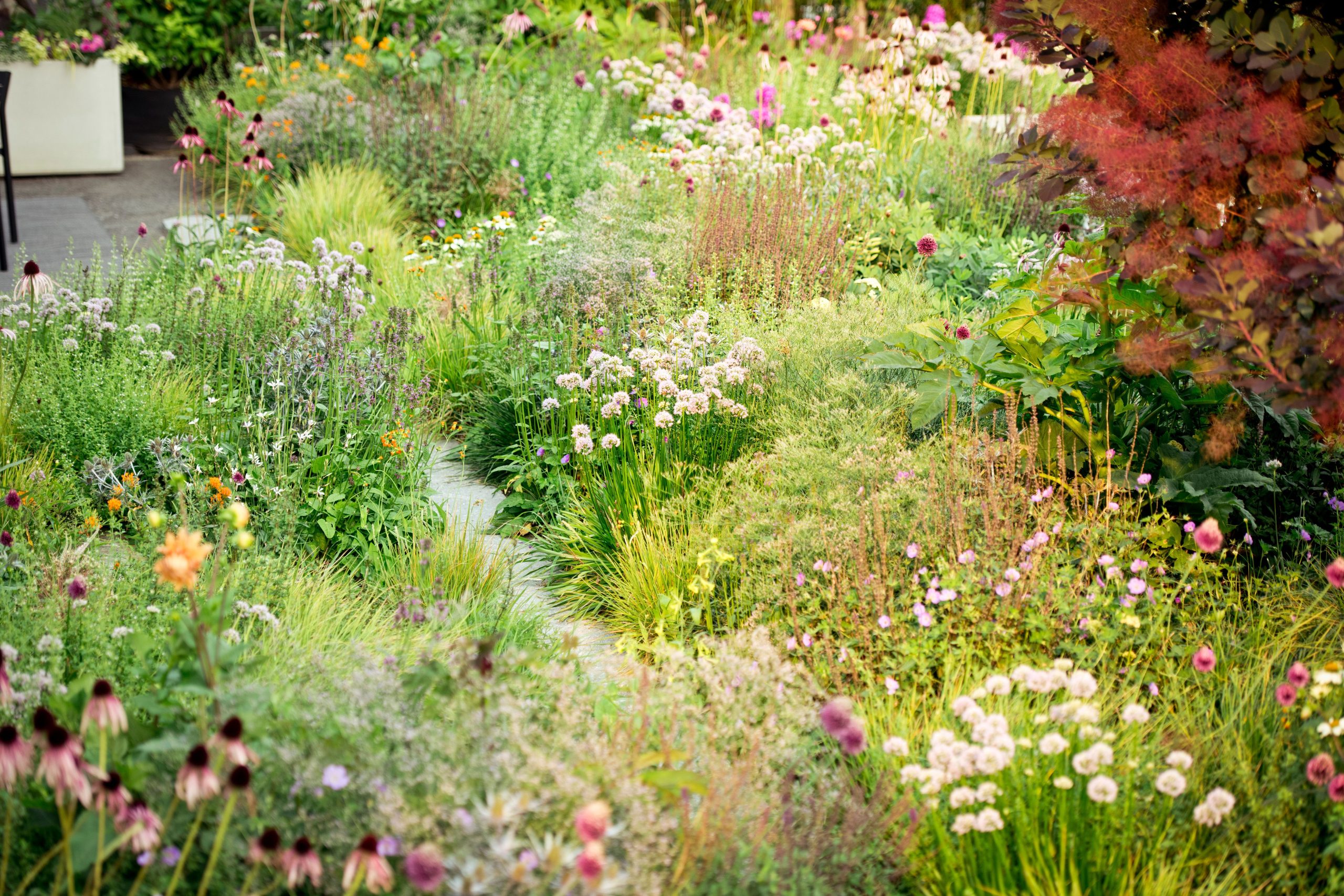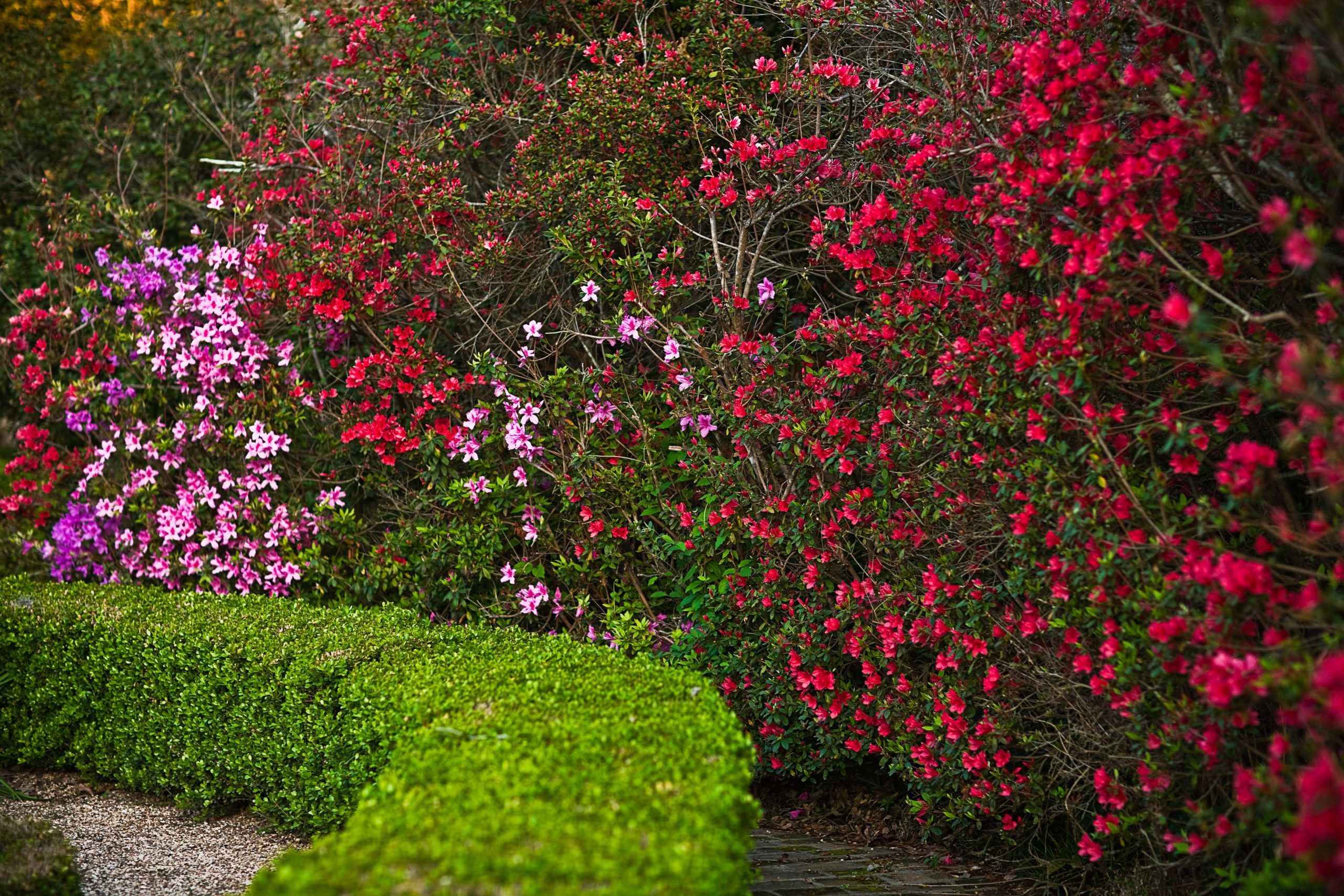
Azaleas command a distinctive spot in gardens, where their vibrant blooms can be admired in full splendor during the springtime. Certain varieties of azaleas flower repeatedly, bringing additional dashes of hue later in the growing period, and the foliage of certain types, particularly deciduous azaleas, exhibits stunning autumnal tints. Due to their adaptability, azaleas can be utilized in various ways, whether in compact backyards or expansive outdoor spaces. Here are some creative ideas for incorporating azaleas into your landscape to highlight their beauty across multiple seasons.
Woody shrubs in the same genus as rhododendrons, azaleas are technically a subset of rhododendrons, though not all rhododendrons are classified as azaleas. Botanically distinct, azaleas typically sport 5 stamens, whereas rhododendrons usually have 10 or more. Rhododendrons are predominantly broadleaf evergreens, whereas azaleas can be either evergreen or deciduous, with rhododendrons tending to be larger, boasting bigger flowers and broader, sturdier leaves.

Both azaleas and rhododendrons thrive in evenly moist, well-drained soil with a slightly acidic pH range of 4.5 to 6. The soil should be rich in organic matter to facilitate the penetration of their delicate root systems. Maintaining soil moisture and coolness is assisted by applying a layer of pine bark or straw mulch.
Azaleas are more resilient to sunlight than rhododendrons, yet they should still be placed where they are shielded from the intense afternoon sun. While some shade is beneficial, excessive shade can hinder their blooming potential.
The array of azalea species and cultivars offers a diversity of heights, forms, and floral hues. For lining a garden path or outlining a border, opt for dwarf and low-growing azaleas. Medium-sized azaleas make excellent foundational plants, adding a zestier touch to springtime compared to the traditional yew or boxwood.
Plant breeders have introduced enhancements, such as Encore or Bloom-A-Thon azaleas that rebloom later in the season. Other azaleas feature variegated leaves, offer autumnal color, or possess increased resilience to winter.
The American Rhododendron Society provides a searchable database to simplify the selection process. The search can be refined by criteria such as hardiness, height, flowering time, and flower color, among others.
Adored for their abundant and vivid springtime colors, azaleas are also incredibly versatile, suitable for a multitude of landscaping applications. Here are some suggestions to explore:
1. As a hedge, the styling of an azalea hedge is subjective: whether kept neatly sheared or allowed to grow naturally. Both approaches have their charm, with the shrub’s innate form being complemented by companion plants or standing strong on its own. Azaleas handle heavy pruning and reward with new growth along the remaining stems, making them suitable for formal hedging.
2. Enhancing windbreaks, while not Wind-resistant on their own, azaleas can be placed on the sheltered side of a windbreak to aesthetically enrich the protective plantings.
3. Drift planting, grouping numerous smaller azaleas creates a visual impact. Plant a mix of early, mid, and late-season bloomers for extended color. Introduce bedding annuals to sustain color throughout summer.
4. Island bed feature, azaleas make excellent additions to island beds, serving as a blooming centerpiece and a foliage backdrop. Use multiple azaleas in a single color for emphasis, accompanied by shade-tolerant companion shrubs like pieris, daphne, and camellia.
5. Formal garden statement, highlight a solitary large azalea or several smaller ones by surrounding them with a low hedge of boxwood, holly, or yew. Incorporate geometric shapes with dwarf Alberta spruce and juniper topiaries for an elegant touch.
6. Focal point, pair a large azalea with a flowering tree like dogwood or crape myrtle, underplanting with a vibrant groundcover for added appeal.
7. Mass plantings, dedicate a bed or area solely to azaleas, using contrasting but complementary colors. Combine deciduous and evergreen azaleas for a layered effect, with the evergreens masking the deciduous variety in dormancy.
8. Woodland garden, create a forested ambiance by intermingling azaleas with natural elements like tree stumps, branches, and forest-floor debris. Include ferns and spring ephemerals for early-season interest.
9. Garden room dividers, use rows of azaleas to partition the garden into distinct areas. Layer the design with yews, followed by shorter hostas and brunnera, and conclude with a vibrant groundcover.
10. Container planting, potting up small or dwarf azaleas is both visually pleasing and practical, offering a solution for yards with incompatible soil conditions. Their shallow roots require containers of at least 2 feet in diameter with ample drainage.
11. Hanging baskets, certain azalea varieties, such as Belgian and Satsuki hybrids like ‘Flame Creeper’ and ‘Pink Cascade,’ are suitable for hanging baskets. Keep them well-watered due to the rapid drying of hanging baskets.
12. Continuous appeal, plan for sequential interest by incorporating companion plants that either complement azaleas or bloom before or after them. Foliage plants like Japanese painted fern and hosta, along with spring bulbs, extend the seasonal attraction.