The concept of chaos gardening seems intriguing at first glance. Simply scatter a variety of flower and vegetable seeds in your outdoor space and let nature take the reins. You’ll supposedly end up with a vibrant, low-maintenance garden that’s eco-friendly and requires minimal effort. It sounds too good to be true, and according to experts, it is. Here’s what you need to know before attempting to create your own chaotic green space.
Georgia Parkinson Hill, a seasoned horticulturist and the proprietor of Beautyberry Gardens in Georgia, and Laura Najman Janney, a garden designer and the owner of The Inspired Garden in New Jersey, offer their insights.

Chaos gardening, despite its promise of an autonomous ecosystem, doesn’t quite live up to its romanticized image. Janney, for instance, cautions that such gardens can quickly become unmanageable. “It’s billed as the perfect choice for the lazy gardener, but in reality, it’s just a recipe for disaster,” she says.
Hill echoes this sentiment, emphasizing the unrealistic nature of a maintenance-free garden. “That’s just not feasible here,” she asserts.
Before you go about randomly distributing seeds in your garden, take heed of the experts’ concerns.
Hill traces the origins of chaos gardening to England and suggests that its allure is tied to the aspiration of replicating the quintessential English cottage garden, characterized by a harmonious blend of flowers and edible plants. However, she points out that the weeds found in the UK are far less tenacious than those in North America.
“In the UK, weeds are relatively benign and straightforward to handle,” Hill explains. “They don’t typically require mulching, and they don’t take over.” In contrast, American weeds are robust and particularly challenging to eliminate, especially in the Southeast.
Janney agrees that if you adopt a chaos gardening approach that gives free rein to nature, aggressive weeds may dominate your garden. “It’s not going to resemble those picturesque Instagram posts,” she warns.
Chaos gardening often romanticizes weeds as integral to nature and argues that allowing them to flourish is a more evolved and environmentally conscious approach. However, many of the weeds you’ll encounter are not native or natural but rather invasive species brought to America by early settlers. These resilient interlopers thrive due to their robustness and adaptability.
For instance, Russian tumbleweed seeds can germinate in mere hours, while Asian-originated kudzu and Japanese knotweed exhibit rapid growth rates that leave other plants in the dust. Your desired flowers and vegetables stand little chance against such aggressive interlopers.
A cornerstone of chaos gardening is simplifying the process by growing plants from seed. However, this method is not without its challenges. “Starting plants from seeds thrown on the ground can be incredibly difficult,” Hill notes.
Germination rates may be low, especially if you use old seeds, as chaos gardeners often recommend. “I’ve seen many attempts to start gardens from seeds in the Southeast fail, despite seemingly promising seed mixes,” Hill shares.
Environmental factors such as heavy rain, slopes, and poor soil quality can further complicate matters. Differentiating between desired seedlings and weeds can be a daunting task, and invasive species may outcompete the plants you’re trying to grow.
In a chaos garden, only the strongest survivors will prevail, which can lead to a lack of diversity. While the element of surprise is sold as part of the charm, you might end up with a garden that doesn’t reflect your original vision. Aggressive species may overshadow others, reducing biodiversity.
An overcrowded, disorganized garden can impede airflow, create humidity, and foster ideal conditions for fungal diseases. Additionally, it can attract pests that thrive in damp environments. Stressed plants competing for resources become more vulnerable to such issues.
“Good garden design ensures plants have adequate space and aren’t overcrowded,” Janney advises. “A planned garden tends to be healthier.” Furthermore, a chaotic layout makes it harder to detect early signs of pests or diseases, leading to significant damage.
Plants in chaos gardens may not receive sufficient sunlight and nutrients, resulting in smaller blooms and vegetables compared to a well-planned garden. “Vegetables will usually be weaker in comparison to perennial seeds or invasive plants,” Hill observes.
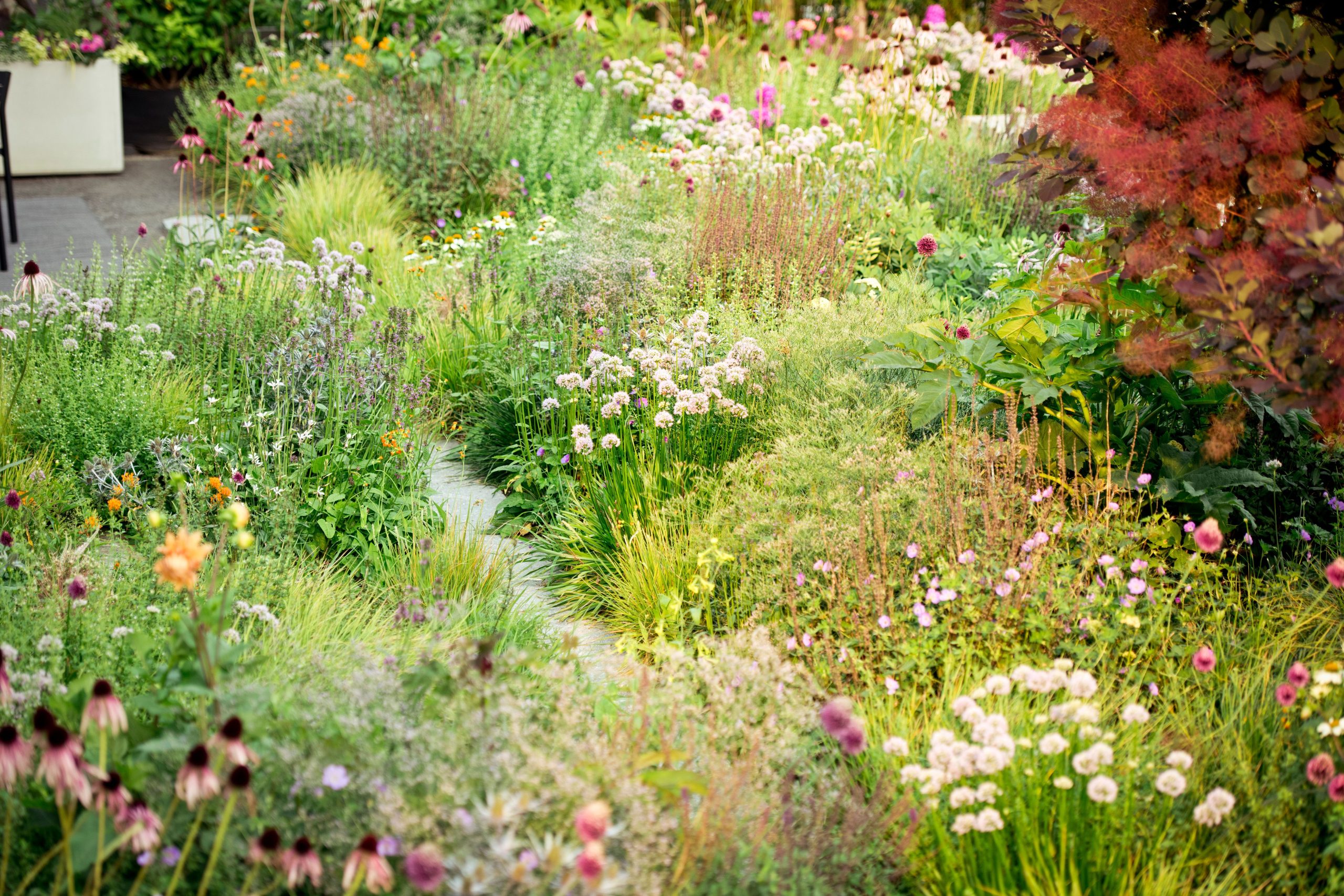
For a sustainable, biodiverse, and naturally cohesive garden, consider alternative strategies. Hill suggests incorporating ornamental grasses for a soft, flowing landscape and starting with transplants in quart-sized pots for easier establishment.
“Opt for self-seeding perennials to achieve a more natural appearance as they spread,” Hill recommends. She suggests plants like ox eye sunflowers, columbine, common evening-primrose, coneflowers, black-eyed Susan, and blue vervain. A diverse mix will help fulfill the biodiversity promise of chaos gardening.
Remember, weeding and planning are essential for a thriving garden. “A beautiful garden requires effort,” Janney concludes. “Nothing worthwhile is ever truly effortless, and simply tossing seeds and hoping for the best won’t cut it.”