The tiny particles of pollen that trigger seasonal allergies are often transported by the wind. These allergens come from a variety of sources, including deciduous and evergreen trees, grasses, and weeds. To minimize pollen exposure, it’s advisable to select landscape plants that produce heavy, non-wind-dispersed pollen.
For those who battle allergies, certain times of the year can turn outdoor activities into a challenge. Pollen, essential for plant reproduction, can lead to symptoms like teary eyes, congestion, and constant sneezing when one is gardening or spending time outdoors.

Understanding which plants are responsible for these symptoms can help allergy sufferers better plan their outdoor excursions and reduce their pollen exposure, allowing them to tend to their yards and appreciate their green spaces without suffering.
Anemophilous pollen, transported by the wind, is the culprit for many seasonal allergies. These plants release abundant, lightweight pollen grains into the air, hoping they’ll land on a compatible flower for seed production. However, only a small fraction of plants, around 20 percent, rely on wind for pollination. The majority, about 80 percent, depend on insects or other animals to transfer their more substantial pollen loads.
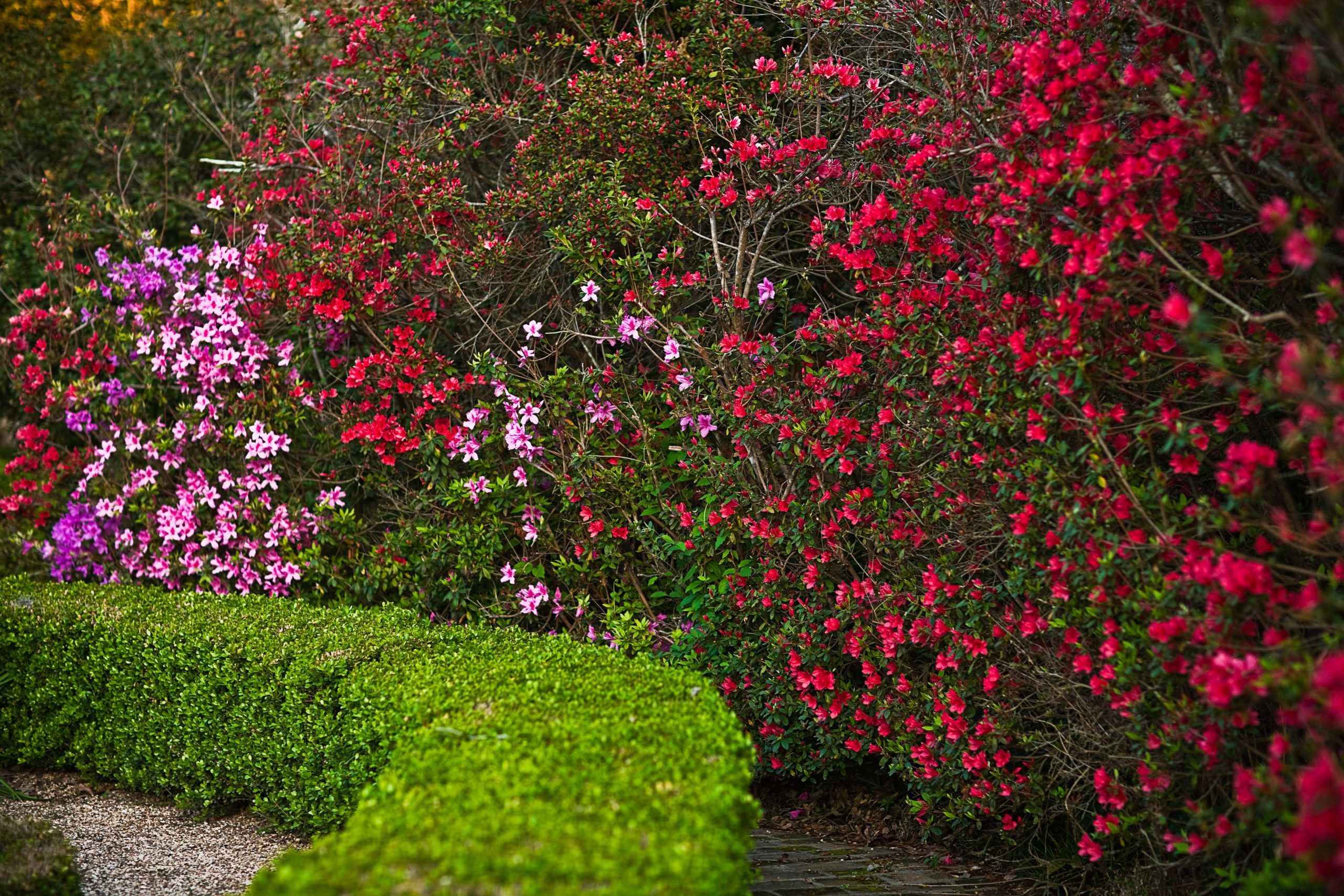
This is a source of relief for allergy-prone individuals, as most garden flowers, such as vibrant zinnias, fragrant lilies, and showy hydrangeas, produce pollen that doesn’t become airborne and doesn’t cause seasonal allergies.
Wind-pollinated plants typically have unassuming flowers, as they don’t need to attract pollinators. These plants conserve energy by not developing large, showy petals and, in some cases, lack petals altogether. Instead, they rely on the wind to distribute their pollen.
The shade tree in your backyard could be a significant source of seasonal pollen. Springtime sees trees like ash, birch, elm, and others releasing vast amounts of pollen into the air for weeks at a time. Despite this, the environmental benefits of planting these trees, such as providing habitats and food sources for animals, outweigh the brief period of pollen-related discomfort.
The pollen from mountain cedar and certain junipers causes what is known as “cedar fever,” a severe allergy to the wind-dispersed pollen from these evergreen species. These trees release their pollen en masse from cones, often following a midwinter cold front, creating a visually striking scene that can be challenging for allergy sufferers.
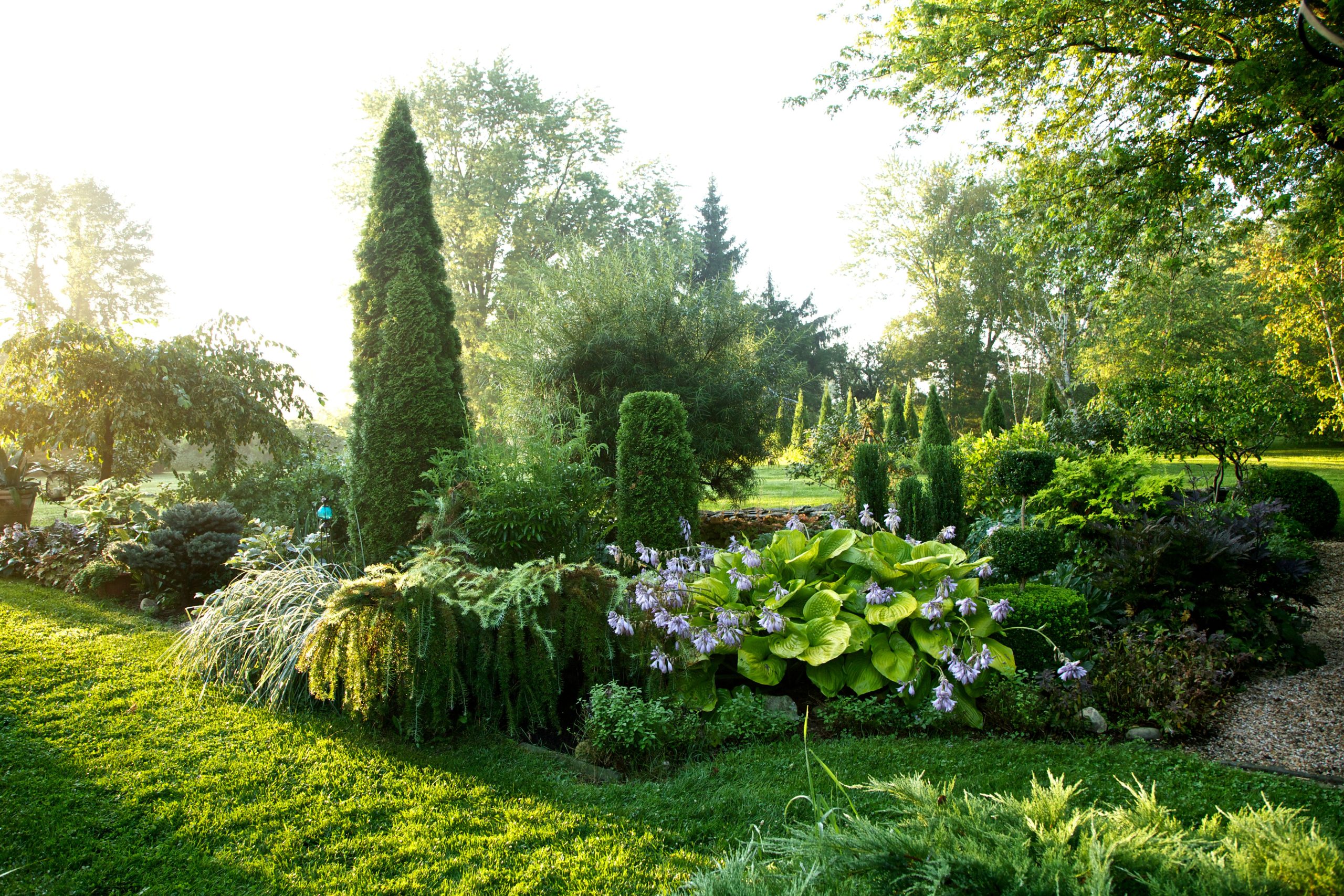
Given that mountain cedar pollen can travel long distances, avoiding it is difficult. Planting pollen-free evergreens, such as female cedars or yews, can help reduce the pollen load in your immediate environment.
Lawn grasses contribute to the pollen load during late spring and early summer. Regular mowing, keeping the grass at a height of 3 to 4 inches, can minimize the release of grass pollen into the air by preventing seed head formation.
Midsummer pollen can be attributed to ornamental grasses, which can be replaced with non-windborne alternatives like Siberian iris for those with seasonal allergies.
Weeds such as ragweed, sagebrush, and others are known for their significant pollen production, peaking from late summer to early fall. Prompt removal of weeds, before they flower, can help reduce pollen levels.
To enjoy gardening despite pollen allergies, consider these strategies:
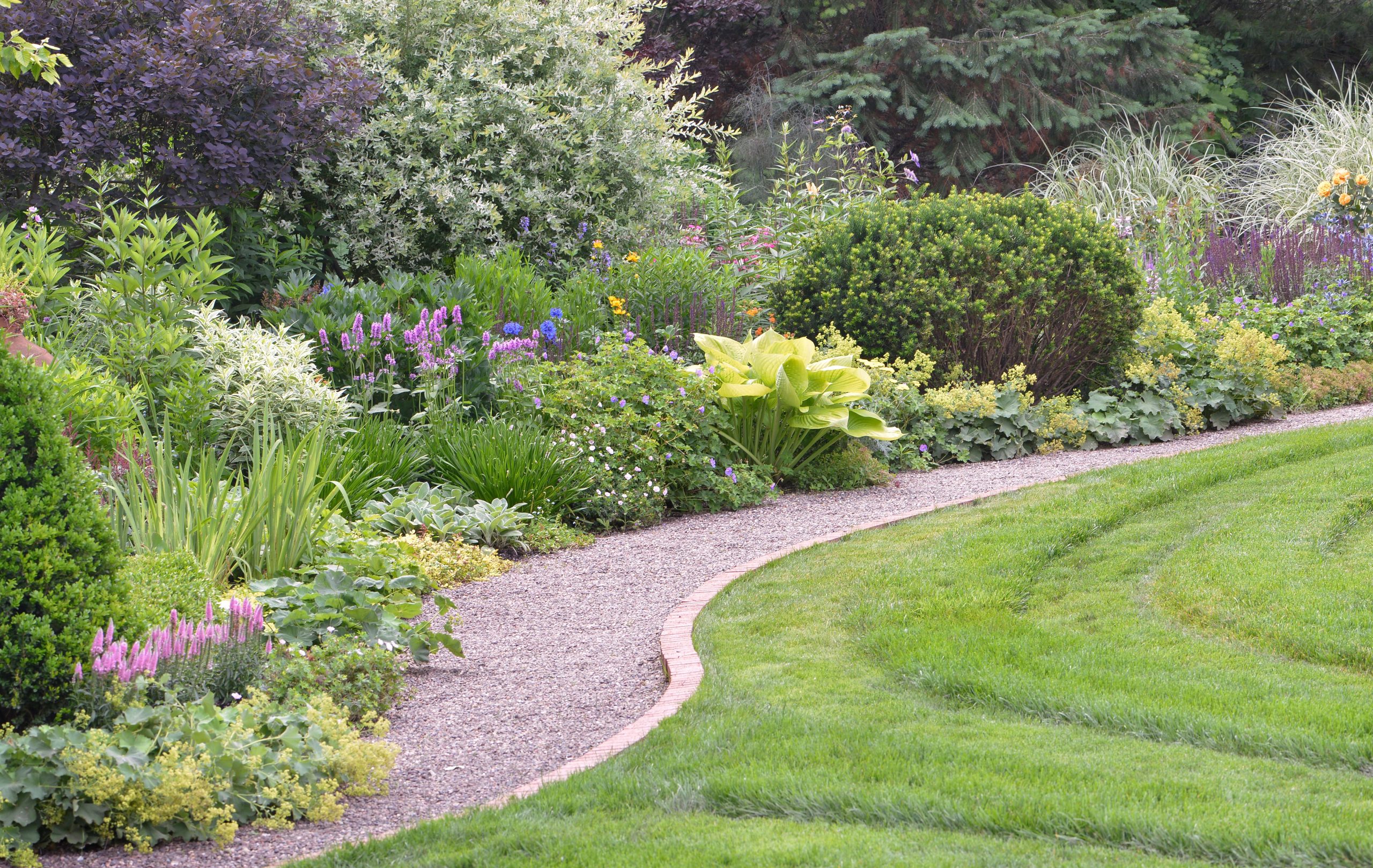
Opt for plants that don’t release windborne pollen but instead have heavy pollen that requires pollinators for transfer. This approach benefits both the allergy sufferer and the pollinator population.
Plan outdoor activities wisely. Pollen counts are generally lower in the morning, and rain can wash pollen from the air, although heavy rain can temporarily increase pollen levels. Stay indoors during dry, windy periods when pollen is most abundant.
Keep track of pollen counts using weather or pollen apps to schedule your time outdoors effectively. Pollen levels can vary greatly, so take advantage of days with low counts.
After being outside, shower and change your clothes to remove any pollen that may have followed you indoors, significantly reducing indoor allergens.