The obstacles of cultivating a garden in a limited area are indeed significant. However, certain design decisions can actually enhance the perception of a cramped space. The use of color, lines, and textures is crucial in making a compact garden seem either spacious and appealing or confined and crowded. To optimize even the tiniest of gardens, steer clear of these eight frequent design mistakes.
In confined spaces, an excess of curves or lines can overwhelm the visual field, leading to a perception of clutter and smallness. It’s best to opt for a straightforward and minimalist design approach for compact gardens. Start your garden design process by envisioning the shapes of the planting beds and seating areas from an aerial perspective. Develop a plan that incorporates strong geometric shapes and clean lines. For instance, a rectangular planting bed might be more space-efficient than one with rounded edges.
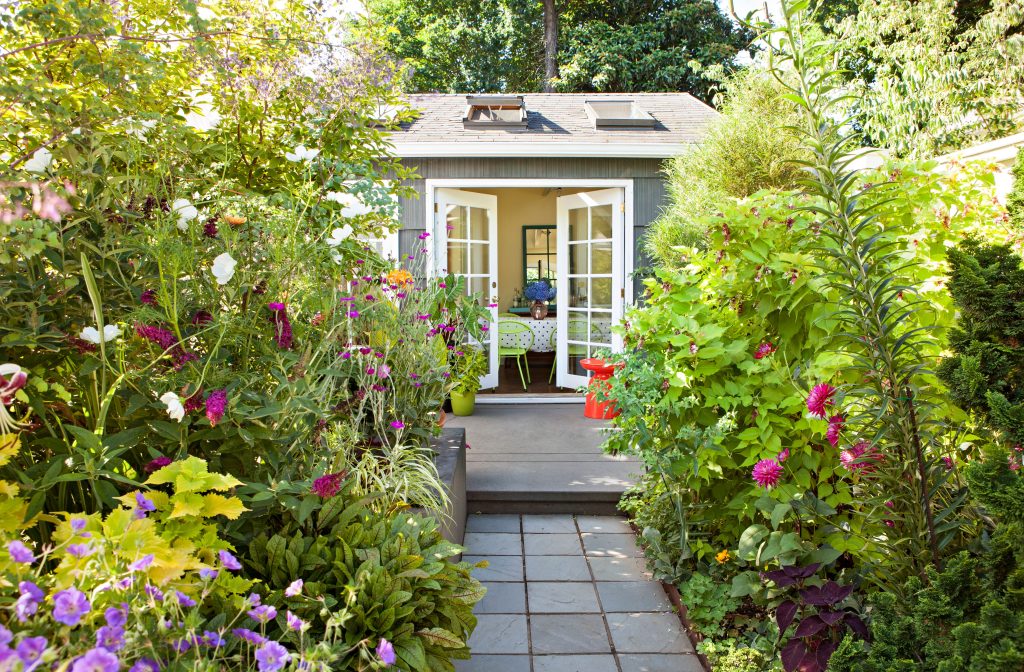
Small gardens frequently have shaded areas due to neighboring structures, towering plants, or encircling fences, which can create a claustrophobic atmosphere in these dimly lit corners.
Revitalize these shadowy spots by incorporating plants with variegated leaves, such as hostas, deadnettles, and variegated Solomon’s seal. These will add interest and depth to the garden’s darker areas, potentially drawing both your gaze and steps to the previously overlooked sections.
While annuals and perennials are excellent additions to compact gardens, they mainly contribute color and texture within a range of ground level to about three feet high. Since the horizontal expanse in a small garden is limited, the vertical dimension offers untapped potential. Taller plants can direct the eye upwards, creating an illusion of spaciousness.
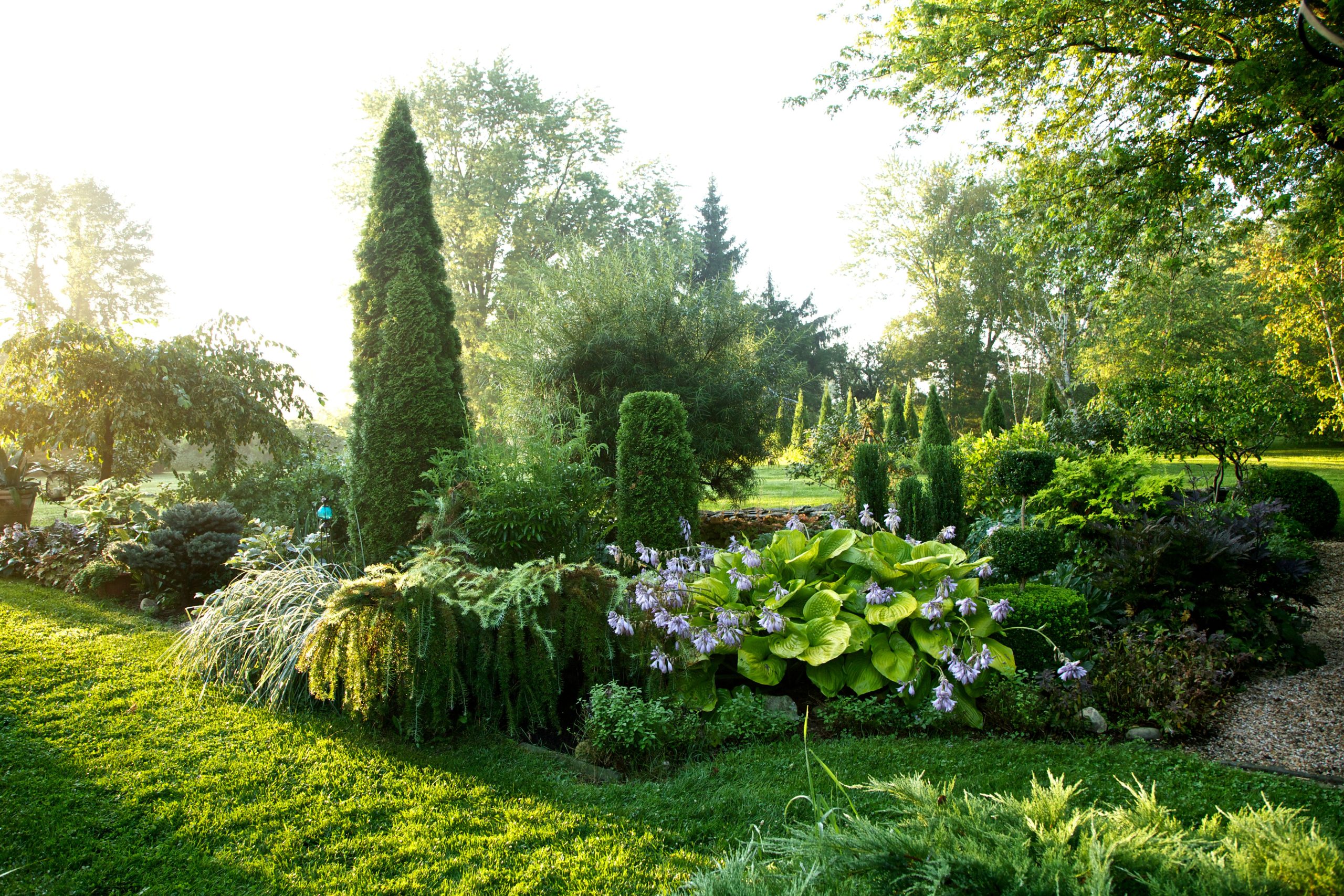
The trick is to select plants that grow tall yet remain proportional to the space. For instance, consider small trees like Japanese maple, flowering dogwood, crabapple, serviceberry, and redbud instead of large, towering shade trees.
A stunning summer garden is delightful, but it’s essential to consider the garden’s appeal throughout the year. Plan your planting to ensure year-round interest, from spring to winter. Regularly discovering new blooms, foliage, and wildlife adds a sense of spaciousness to your compact garden.
Winter poses a particular challenge in landscape design. Make use of conifers and plants with distinctive structures, and consider adding bird feeders to entice avian visitors to your petite outdoor space.
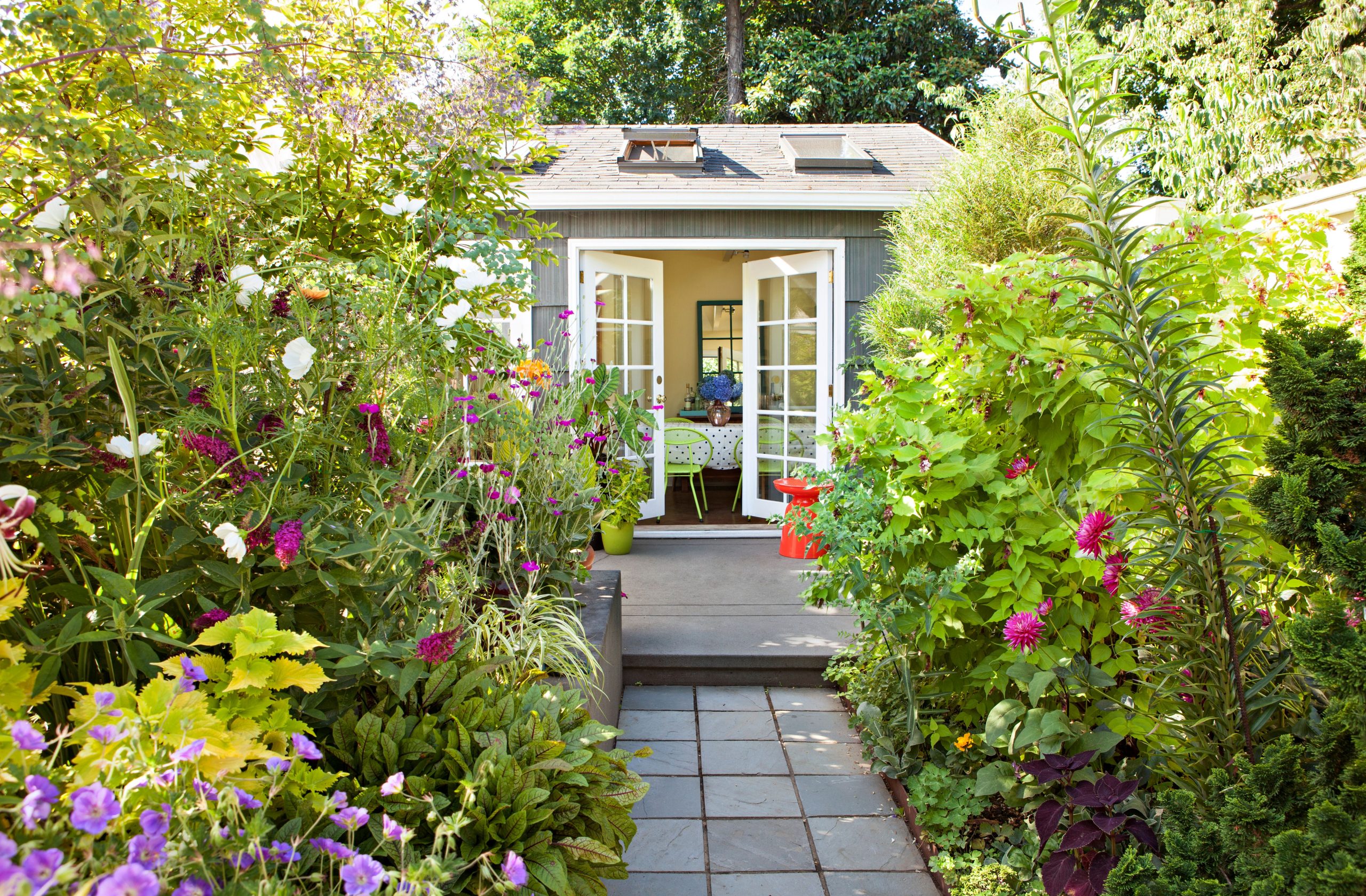
A straightforward, linear path across a small garden can reveal the entire area at a single glance. Instead, a meandering pathway can sequentially disclose different sections of the garden, generating curiosity about what lies beyond each bend or around the next corner. This focuses attention on the garden’s contents rather than its size.
Walls and fences often form stark boundaries, which, while suitable for many settings, can make small gardens feel confined. Subtler, softer boundaries that don’t enforce a sense of restriction are more beneficial for compact spaces.
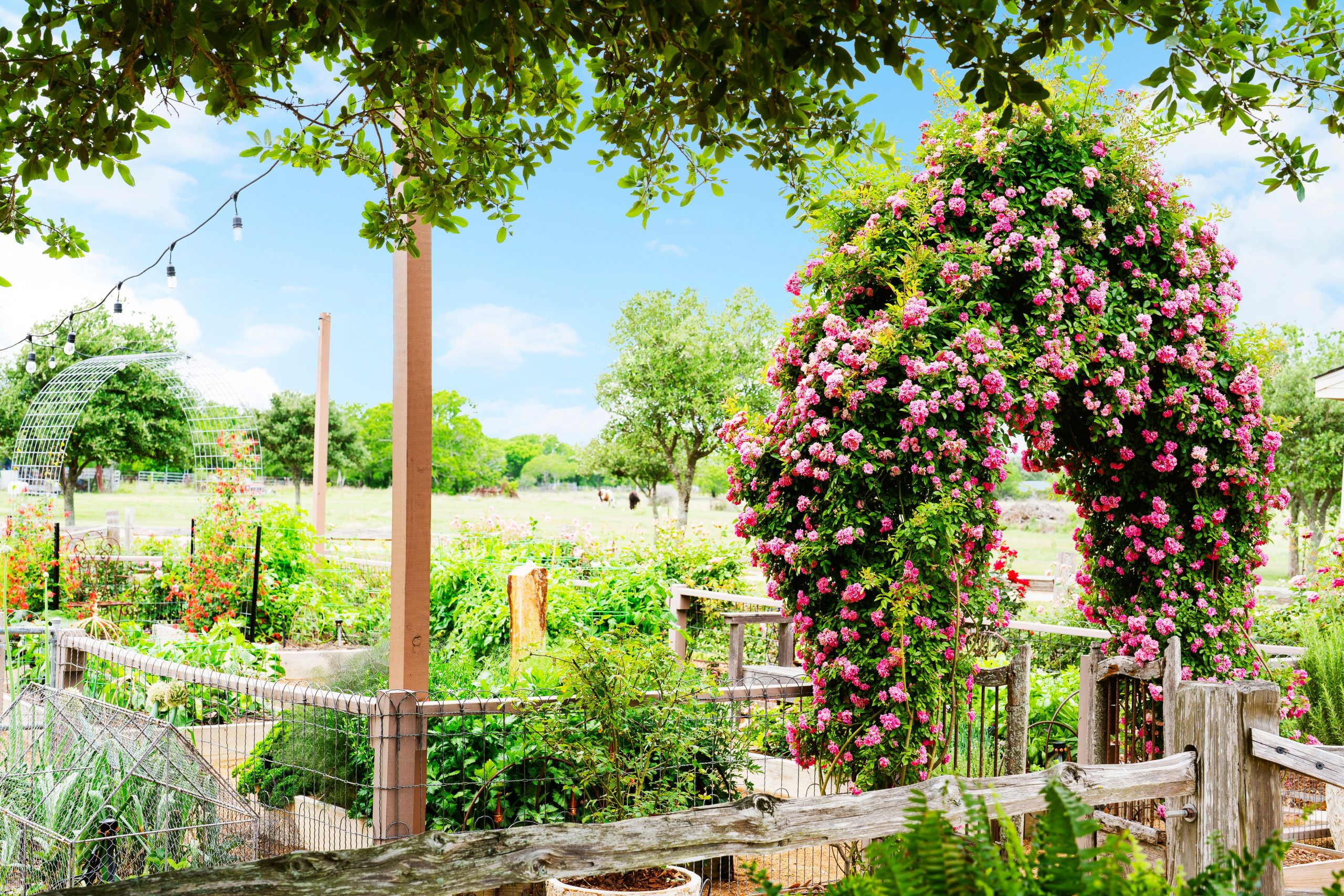
If your garden is framed by tall, vertical fences or walls, consider covering them with plants. Vines or narrow, columnar shrubs can diminish the visual impact of these structures. Easy-to-grow options for narrow spaces include ‘Fine Line’ buckthorn, ‘Purple Pillar’ rose of Sharon, and ‘Sky Box’ Japanese holly.
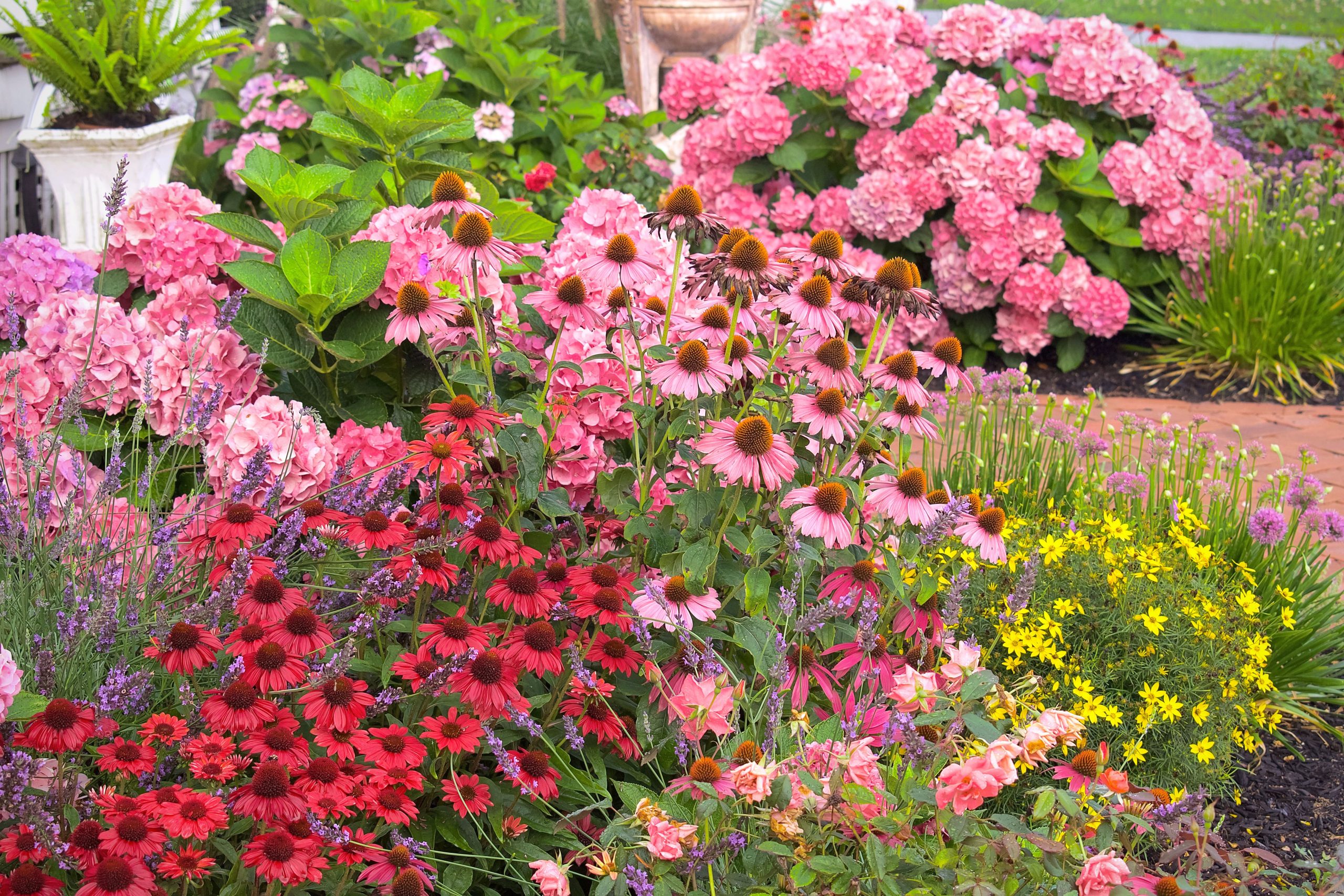
Warm colors like red, orange, and yellow tend to advance visually and can make a space seem smaller. Cooler colors, on the other hand, can create the illusion of greater distance. For example, blue chairs placed at the far end of a rectangular garden will make the space appear larger than if red chairs are used in the same spot. This color theory applies to both plants and furniture. Employing a cool color scheme can help your garden feel more expansive, with warm colors used sparingly for accentuation.
It’s tempting to cram as many different plants as possible into a small garden, especially if it’s your only gardening space. Instead of dotting the garden with single or pairs of plants, group at least three plants of the same species together. This method reduces visual chaos and introduces a sense of order, making your compact garden feel more open and welcoming.